


Abstract created by Good Solutions AI
In abstract:
- Macworld traces Apple’s skilled Mac evolution from the expandable Mac II collection by means of the Energy Mac G4/G5 towers to immediately’s compact Mac Studio with M2 Extremely processors.
- Apple’s definition of “professional” machines has shifted dramatically, transferring from extremely expandable towers costing as much as $55,000 to built-in options prioritizing efficiency over upgradability.
- The Mac Professional line has been quietly discontinued, with Apple favoring the extra highly effective and inexpensive Mac Studio as its flagship skilled pc.
Apple’s Mac Professional was as soon as a robust, expandable, unapologetically formidable machine—constructed for hardcore professionals doing severe work, not informal tinkering. However Apple has now put the Mac Professional out of its underpowered distress, discontinuing its tower workstation in favor of one thing far much less imposing, the Professional-killing Mac Studio.
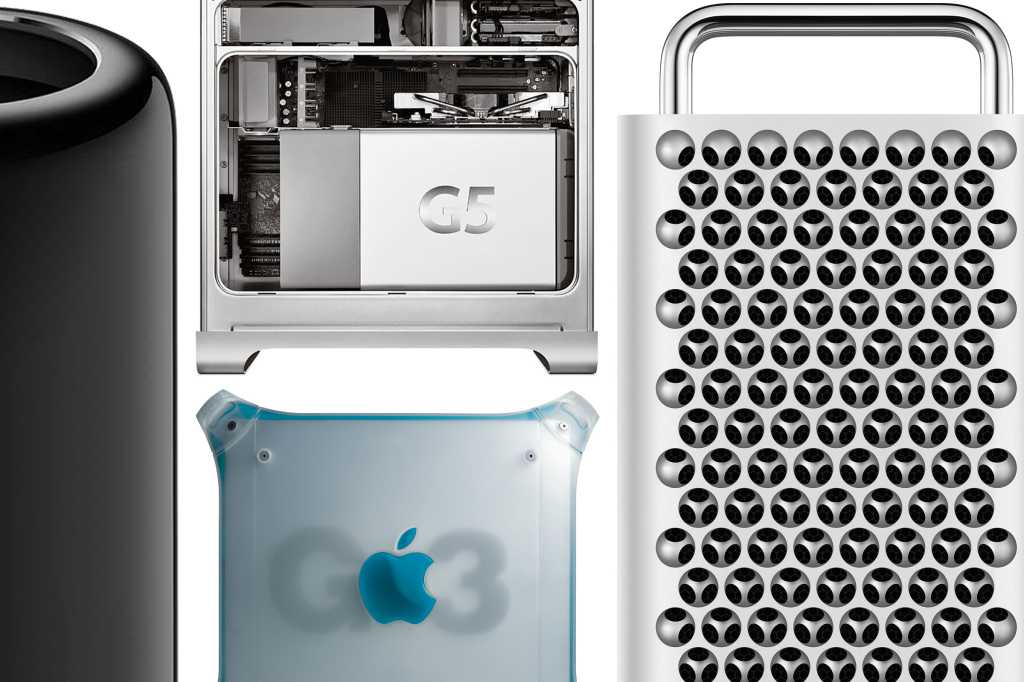
At the moment, some professional Mac customers appear content material with a flimsy slab of aluminum just like the Mac mini. Wimps. We demand one thing that appears prefer it homes a nuclear reactor. It must be greater than a suitcase, plastered with warning stickers, hotter than a barbecue, and louder than a drag automobile. In different phrases, one thing just like the previous Energy Mac G5.
As we mourn the lack of Apple’s beefy, bodacious, behemoth professional Macs, it’s value remembering the times when “professional” meant towering machines created from extra metallic than the Guggenheim Museum in Bilbao and extra plastic than a nursery stuffed with Lego bricks. What follows is a chronological take a look at these techniques, specializing in the moments that outlined, derailed, or reshaped the lineup. It’s much less a visit down reminiscence lane and extra a information to how Apple’s concept of “professional” has regularly advanced.
Apple I (1976-1977)
Energy Computing
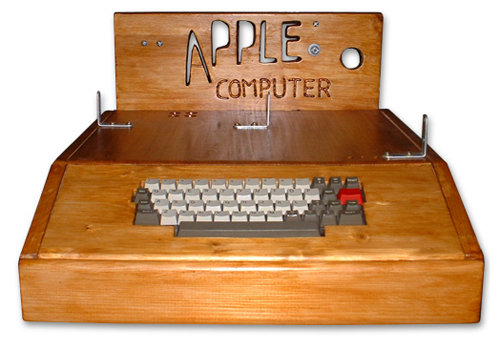
Apple’s first pc wasn’t technically a “Mac,” in fact. The Apple I’s customers didn’t work in Last Lower, Aperture or Adobe Artistic Suite. Certainly they’d have fainted on the very considered MacPaint. And it’s laborious to name them “skilled”. A few of them appeared like they’d lived wild in a forest for the earlier half of their lives—and that was simply the fellows from Apple.
The Apple I was no slouch, but it surely wasn’t professional by immediately’s definition. It was invented by Homebrew Laptop Membership members Steve Wozniak and Steve Jobs—and everyone knows that “homebrew” is by definition not skilled. These pc hobbyists weren’t pioneering professional machines, they have been turning professional machines into private computer systems for the house.
We’re together with it right here as an homage—and plus, the Apple I used to be actually sufficiently big to qualify for tower standing. It was so open to person tinkering you needed to construct the case your self from bits of wooden.
Apple III (1980-1983)
Energy Computing
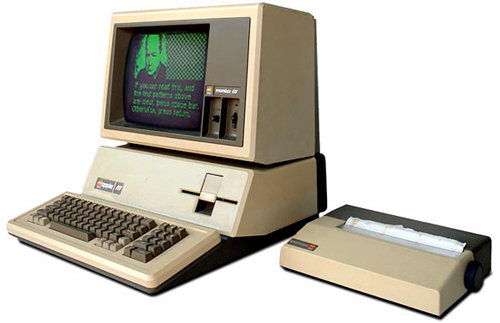
Whereas the Apple I appeared like a Victorian dressing desk, the Apple II appeared like a sensible electrical typewriter. Whereas used professionally, it doesn’t fairly go the grade at wanting highly effective sufficient for true Professional standing. The Apple III, then again, appeared far more spectacular and price at the very least $4,000. Quite than enable customers to put in upgrades inside its case you possibly can purchase extras that stacked on prime of the pc growing its top to the extent that you just needed to put additional cushions in your chair.
The Apple III Plus featured a built-in clock however even that superior function was not sufficient to reserve it from the scrapheap.
Lisa (1983-1985)
Energy Computing
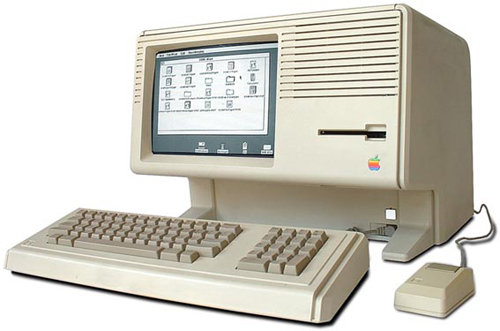
At $10,000, the pre-Mac Lisa was Apple’s costliest pc and aimed toward giant companies. To this point, so professional. Sadly, that’s the place its professional credentials fade away because it was a closed all-in-one system that appeared like ET’s head fairly than an imperial Walker from Star Wars.
Simply earlier than it was pushed off to the landfill, Apple rebranded the Lisa as Macintosh XL, which is actually a extra Professional identify.
Apple IIgs (1986-1992)
Energy Computing
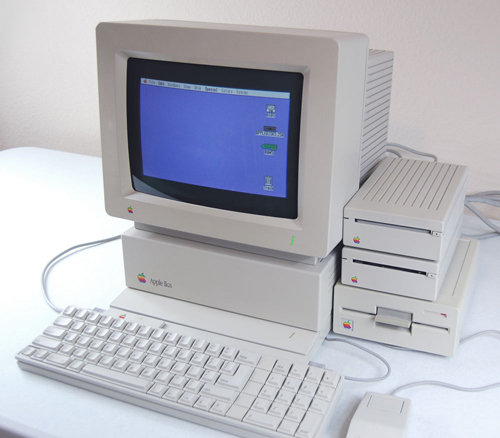
1986’s Apple IIgs was the primary Apple pc to nail the deep-box look (it had discovered nicely from the Mac) and allowed you to swap out and in varied third-party expansions, together with 8MB of RAM and a processor improve that pumped iron at 18MHz. With an M.
Mac II (1987-1990)
Energy Computing
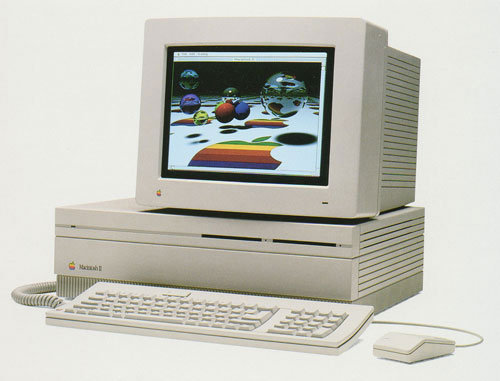
The unique Mac appeared approach too pleasant to be knowledgeable machine. It had a goofy smile and mentioned “Hey.” We needed to wait three years earlier than we acquired the super-expandable Mac II that got here in a case the scale of a Christmas hamper.
It didn’t say Hey. It barged previous you, knocking you to the ground, and it didn’t look again to apologize. It boasted six (six!) NuBus slots for additional bits and items, equivalent to a brand new graphics card that might show colours. If you happen to needed one with 1MB of RAM and a 40MB laborious disk it might set you again $5,500.
The Mac II had many iterations earlier than it was retired. The Mac IIx and Mac IIcx have been in a smaller field with simply three NuBus slots however nonetheless price a small fortune. 1989’s Mac IIici was a field so excessive that it was practically a dice. If Steve Jobs had nonetheless been at Apple I’m certain it might have been. It was the primary Mac to have constructed in-color video circuitry and regardless of costing $6,700 was some of the in style Macs ever.
Lastly, the Mac IIfx was the Daddy of the professional Macs, costing a minimal of $12,000 and accommodating two floppy drives and eight high-speed 64-pin RAM slots. It additionally had a variety of cool codenames, together with Stealth, BlackBird, F-16, F-19 and Weed-Whacker. If that’s not professional, we don’t know what’s.
Quadra (1991-1994)
Apple
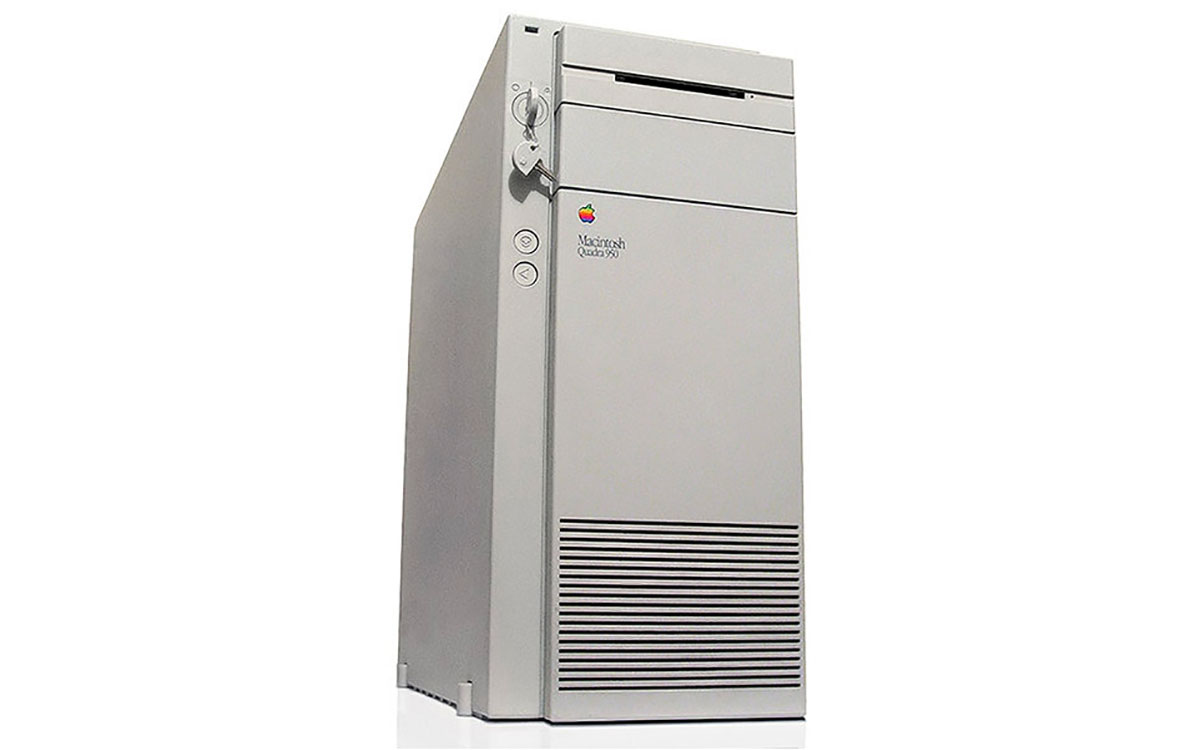
Frank Casanova, who sported a curious Brian Could-like head of hair, was the brains behind the IIfx and his Quadra vary continued the professional options. This time round, the case expanded vertically in correct tower trend, beginning with the Quadra 700. The identify Quadra was partly chosen from the most important quadriceps muscle group to indicate off its energy. We’ll ignore the wimpy-looking Quadra 605/610, however bow earlier than the 700, mini-tower Quadra 800, and mighty $7,500 Quadra 900/950 machines, which had three inside bays and stood 18.6 inches excessive—a sequoia amongst pc saplings.
Mac clones (1995-1997)
Energy Computing
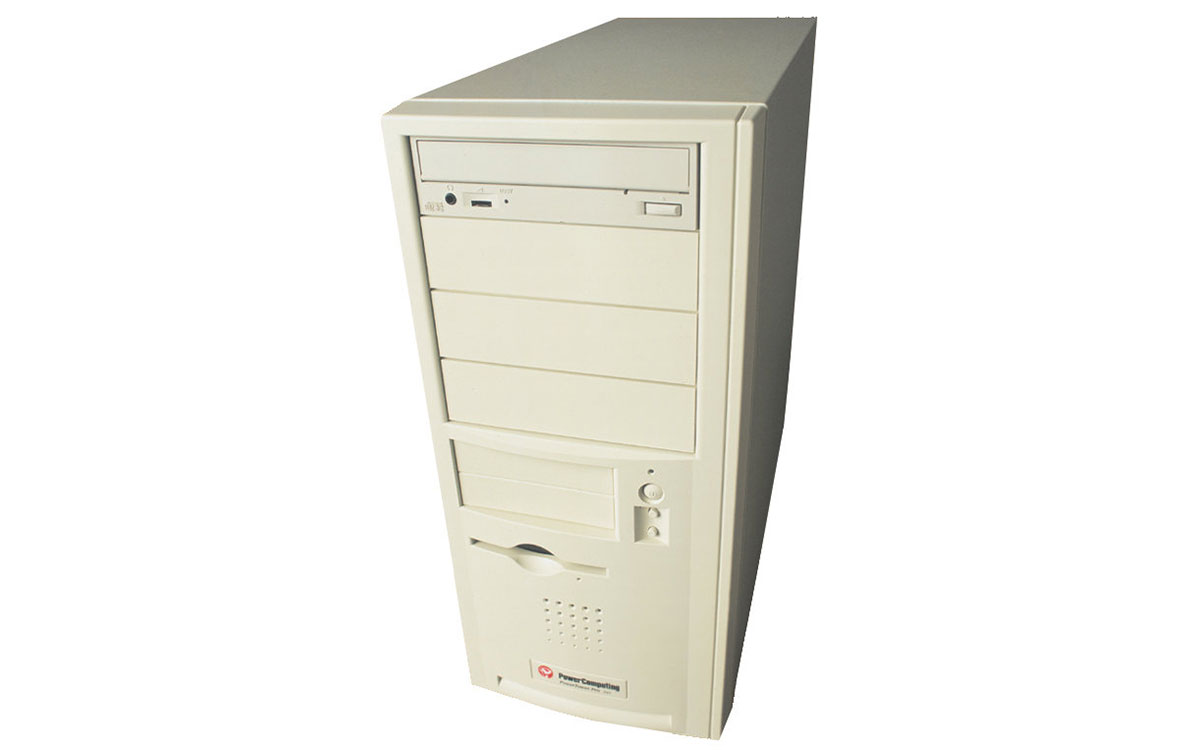
Apple made the choice to permit different producers to make and promote Mac {hardware} too late to cease crappy Home windows PCs from taking on the world. And it then made the error of letting the Mac clone makers produce professional computer systems—such because the Energy Computing PowerTower Professional—extra highly effective than Apple’s personal and with a correct Professional Energy identify. On his return to Apple Steve Jobs took one look and rapidly killed off the clones, and we have been again with a not-so-brilliant vary {of professional} Macs to select from. (However not for lengthy.)
Energy Mac (1994-1998)
Apple
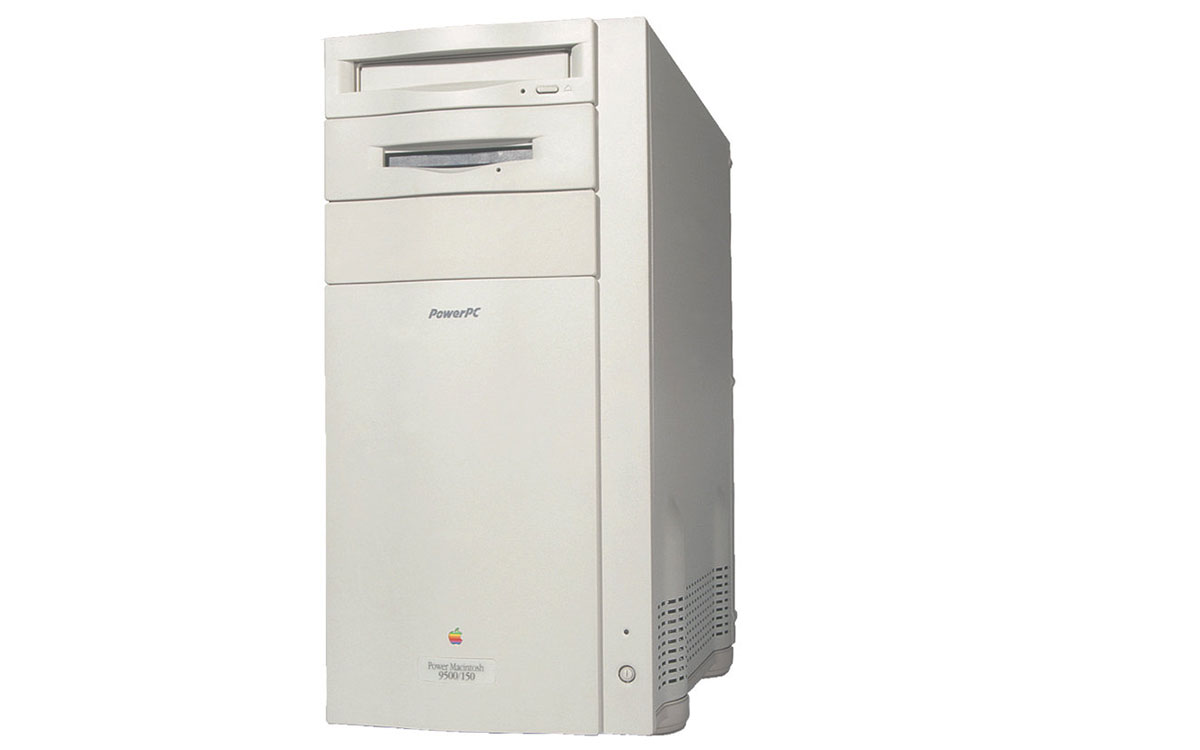
The primary Energy Macs appeared very similar to the Quadras they changed however packed new PowerPC processors. The Energy Mac 8500 was huge however, at a mere 15 inches in top, no match for the near-19-inch Quadra 900. Even the Energy Mac 9500 measured simply 17 inches tall, but it surely was probably the most expandable Mac but, with six PCI slots and 7 inside drive bays. Seven! In contrast to immediately the place Apple hates the considered customers tinkering underneath the bonnet, the 9500 didn’t even ship with a graphics card. You had so as to add your individual.
The later Energy Mac 9600 got here in a new-look case, which at 9.7 inches was the widest Mac tower ever, and was the best to get inside so as to add as much as six drives, 12 reminiscence chips, and 6 PCI playing cards.
Energy Mac G3 (1998-1999)
Energy Computing
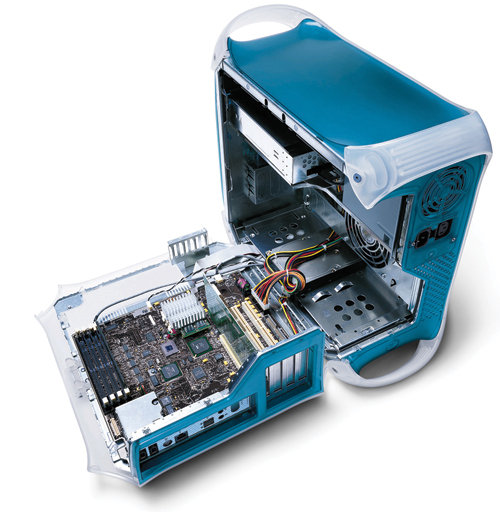
The Blue & White Energy Mac G3 got here in easy-to-open iMac-like coloured polycarbonate. The Apple brand was squeezed in between the enormous “G” and “3” and reminded many of a kid’s toy. And it form of was. The G3 had simply 4 RAM slots, no SCSI, and a really forgettable keyboard and mouse.
Energy Mac G4 (1999-2004)
Apple
Predictably, Apple adopted up the Energy Mac G3 with the Energy Mac G4. (We’ll ignore the very non-tower Energy Mac G4 Dice.)
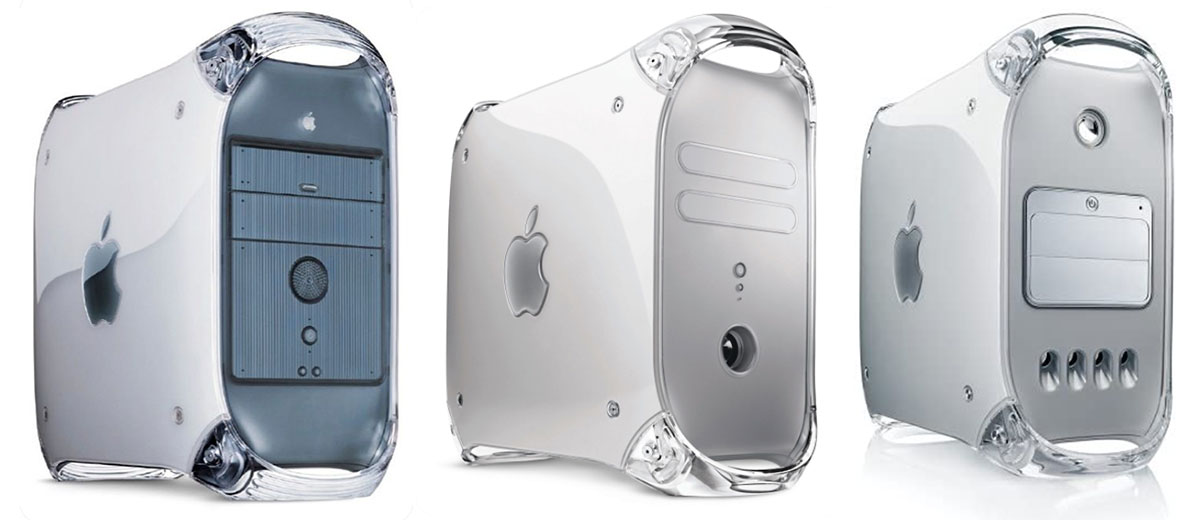
Apple went a bit nuts with the Energy Mac G4, launching a number of variations on its tower design, beginning with Graphite, transferring to QuickSilver, and ending up with Mirrored Drive Doorways with fake air holes. Nonetheless, the Energy Mac G4 appeared extra spectacular and boasted inside FireWire, two separate USB buses, and as much as 1.5GB of RAM. And a few fashions have been so noisy they earned the nickname “Windtunnel”, giving it additional professional factors. Lastly, in 2000, it grew to become the primary PC to function Gigabit Ethernet as an ordinary function.
Energy Mac G5 (2003-2005)
Apple
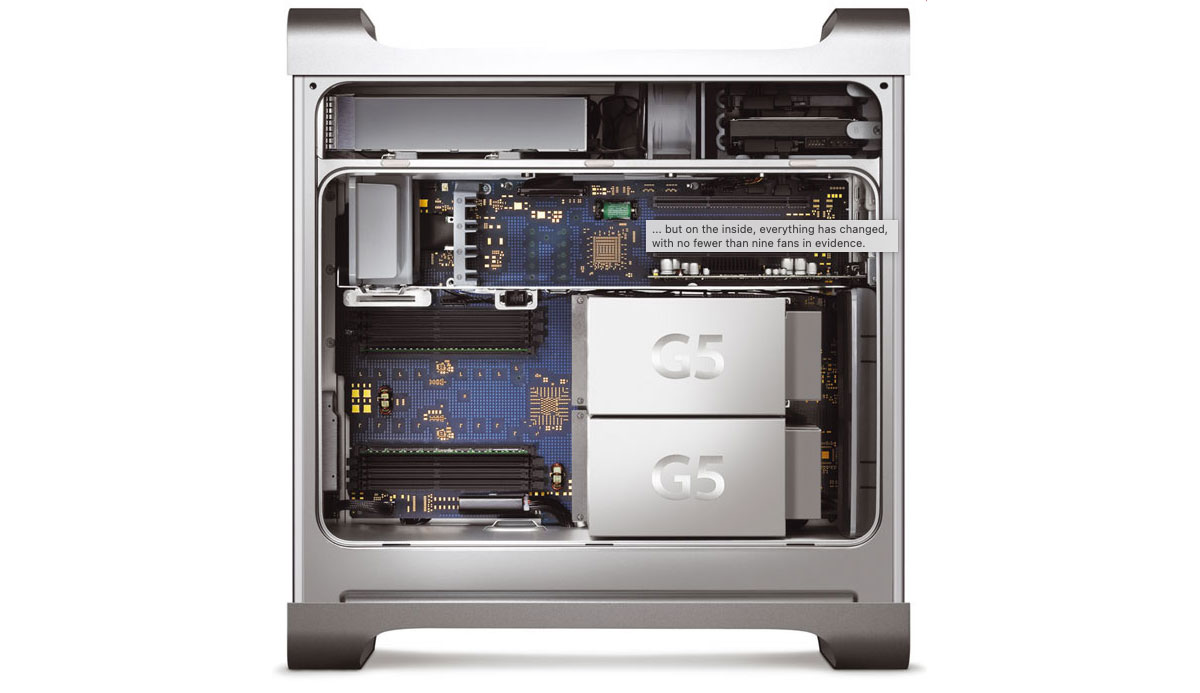
The Energy Mac G5 actually appeared the a part of a correct skilled Mac. Its industrial aluminum case screamed Professional and it appeared nearly as good with its door off as on.
Need extra Professional cred? The G5 ran so sizzling, that the case was divided into 4 separate thermal zones, every with its personal cooling system—in case it melted your desk or the entire constructing. Its 9 followers sometimes allowed you to fake that you just labored on the deck of an plane provider in a state of emergency.
Mac Professional (2006-2013)
Apple
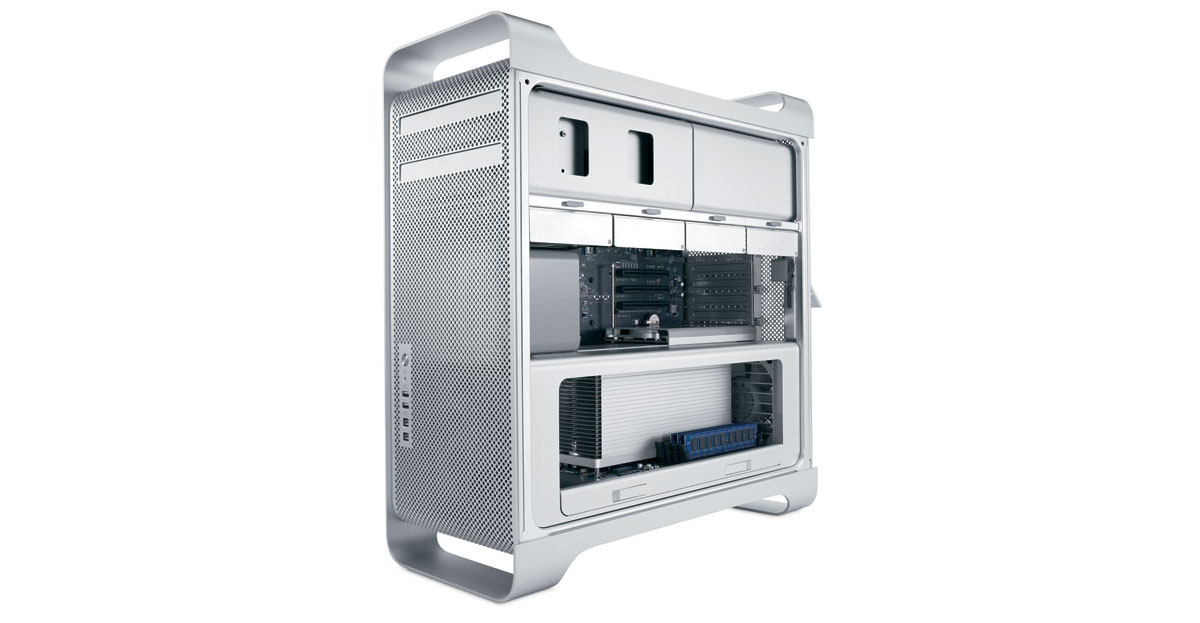
Eventually, a professional Mac really named Mac Professional. Apple had already began calling its skinny laptops Professional as an alternative of Energy, so it was lengthy overdue for the far-sturdier desktop behemoths.
The Mac Professional’s aluminum-enclosure design was little modified from 2003’s Energy Mac G5 and, at 20.1 inches, was the tallest Mac tower but. You might take the facet off and use it because the roof for a small constructing. The Mac Professional dumped the G5 processor for Intel’s extra pro-sounding dual- and quad-core Intel Xeon chips, with city-sized names equivalent to Woodcrest, Clovertown, and Harpertown.
However, apart from the speedy chips and cheese grater design, it was barely up to date and lacked then-current applied sciences equivalent to SATA III, USB 3, and Thunderbolt, regardless of a few of these being obtainable in punier non-Professional Macs.
Professional Mac historical past: 17in MacBook Professional (2006-2012)
Apple
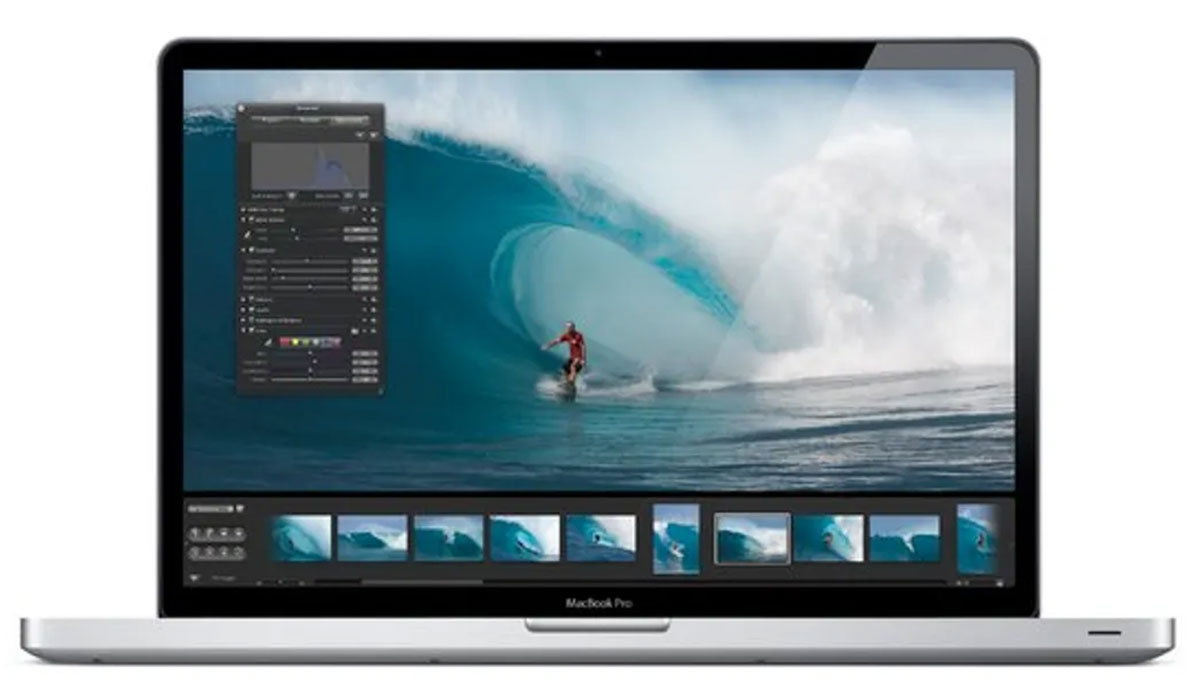
Apple had been calling its top-end MacBooks “Professional” since 2006, but it surely was the frankly big 17-inch mannequin that really deserved the title. Whereas all the opposite MacBook Professional fashions may very well be utilized by amateurs who hog tables at Starbucks, the 17-inch MacBook Professional was a beast match just for the skilled—particularly one with an enormous backpack and robust shoulders.
Its “unibody” enclosure was a single piece of aluminum, roughly the scale of a jumbo jet’s emergency exit door. It had an choice for a matte anti-glare show, for professional designers who flinched on the sight of a shiny display screen that everybody else would have cooed over. Correct.
Mac Professional (2013-2019)
Apple
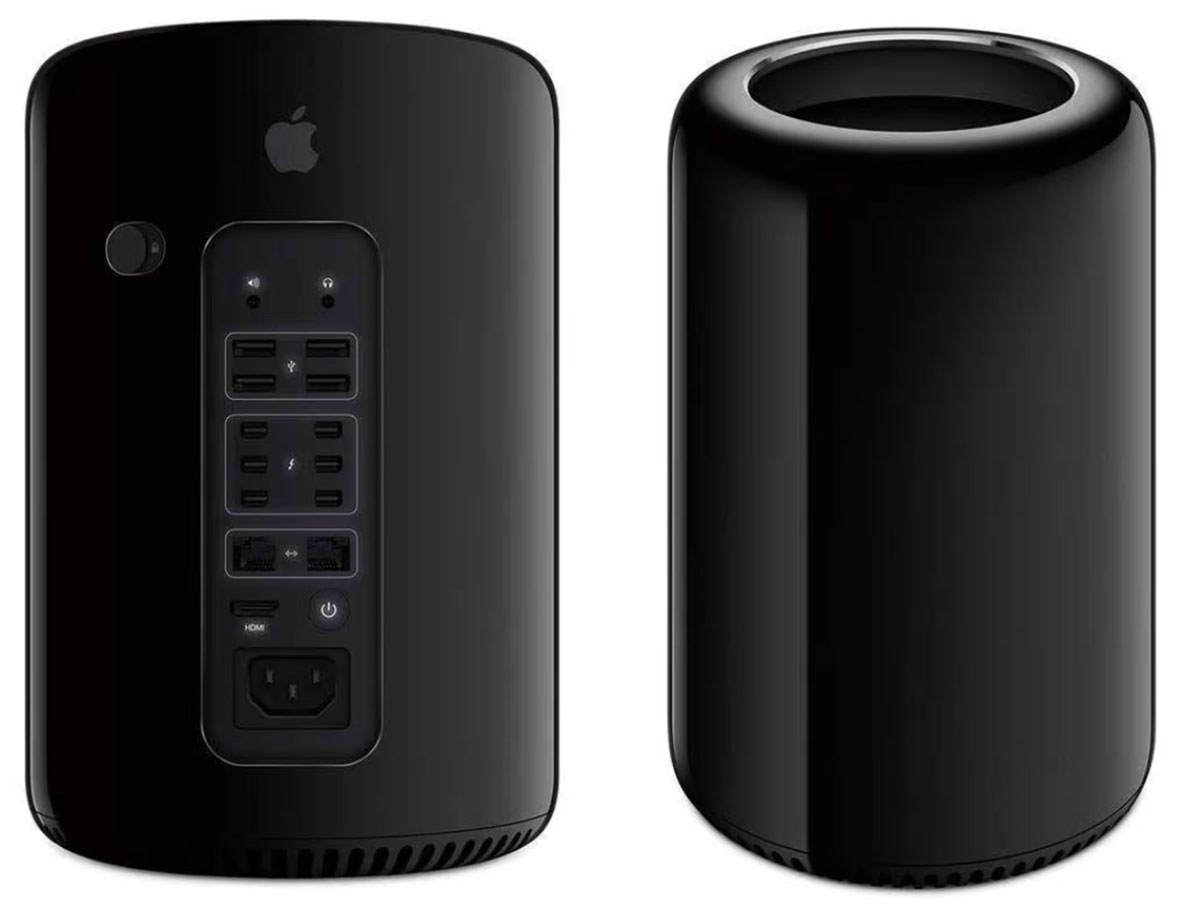
Each from time to time Apple design legend Jony Ive would tire of refining the identical previous Mac instances and enclosures, and demand to be allowed to indicate off with one thing so wacky that everybody would resume bowing at his Clarks Wallabees footwear.
In 2013, Apple gave him a shot at making the Mac Professional seem like nothing else ever designed by anybody on Earth, and he got here up with one thing like a shiny trash can from area. Making it simply 9.9 inches tall and simply 6.6 inches in diameter—lower than an eighth of the scale of the previous Mac Professional—Ive had outdone himself. Even the foolish Energy Mac G4 Dice appeared wise subsequent to it.
Its very noncylindrical and big Mac Professional predecessor boasted 4 hard-drive bays, two optical-drive bays, and 4 PCI Specific slots, and you possibly can even add a RAID card to arrange an inside RAID array. Its cylindrical predecessor, then again, had none of those skilled growth muscle tissue, only a handful of slots on the again so the remainder of your desk was ruined by a mess of ugly, non-Apple packing containers (that every one, in fact, price an entire bunch additional).
In our Macworld assessment we described how the brand new Mac Professional “could also be precisely what you need (a state-of-the-art, multi-core-processor, workstation-GPU pc that doesn’t waste area and assets on expandability it’s possible you’ll by no means use), or nothing like what you want (a workhorse tower with tons of bays and slots for growth).”
Even Ive walked away from the design with nary a look again at his wonder-child, with the unloved cylinder holding the file for the least up to date Apple product of all time at a staggering 2,182 days—simply in need of the length of World Conflict 2.
Professional Mac historical past: iMac Professional (2017-2021)
Apple
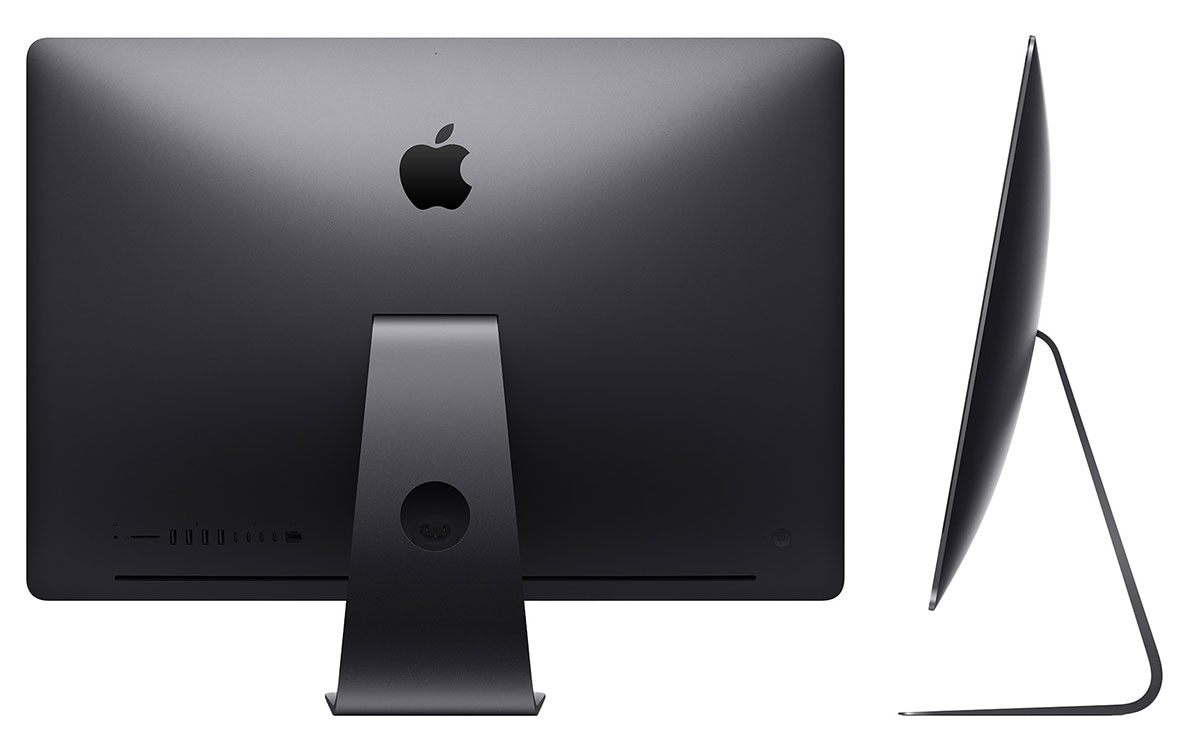
In April 2017 Apple held its palms up about how ineffective the cylinder Mac Professional design was and promised us a completely redesigned Mac Professional. On the time, Apple’s senior vp of Software program Engineer, Craig Federighi admitted that “we designed ourselves right into a thermal nook.”
Within the meantime, Apple rolled out the iMac Professional—which appeared similar to a 27-inch iMac however in a extremely engaging Area Grey colour with equipment to match. Some (very rich) folks purchased the iMac Professional simply to get their palms on the shiny Area Grey mouse.
Sadly, it suffered the identical non-expandability because the alien wastebasket. Its solid-state drive was non-user-replaceable because the SSD modules have been paired cryptographically with Apple’s T2 chip. It by no means obtained an replace earlier than it was retired in 2021. There have been rumors, nonetheless, {that a} new iMac Professional could be within the works.
The iMac Professional was actually highly effective, however regardless of its identify, it was nonetheless actually only a highly effective iMac.
Mac Professional (2019-2023)
Apple
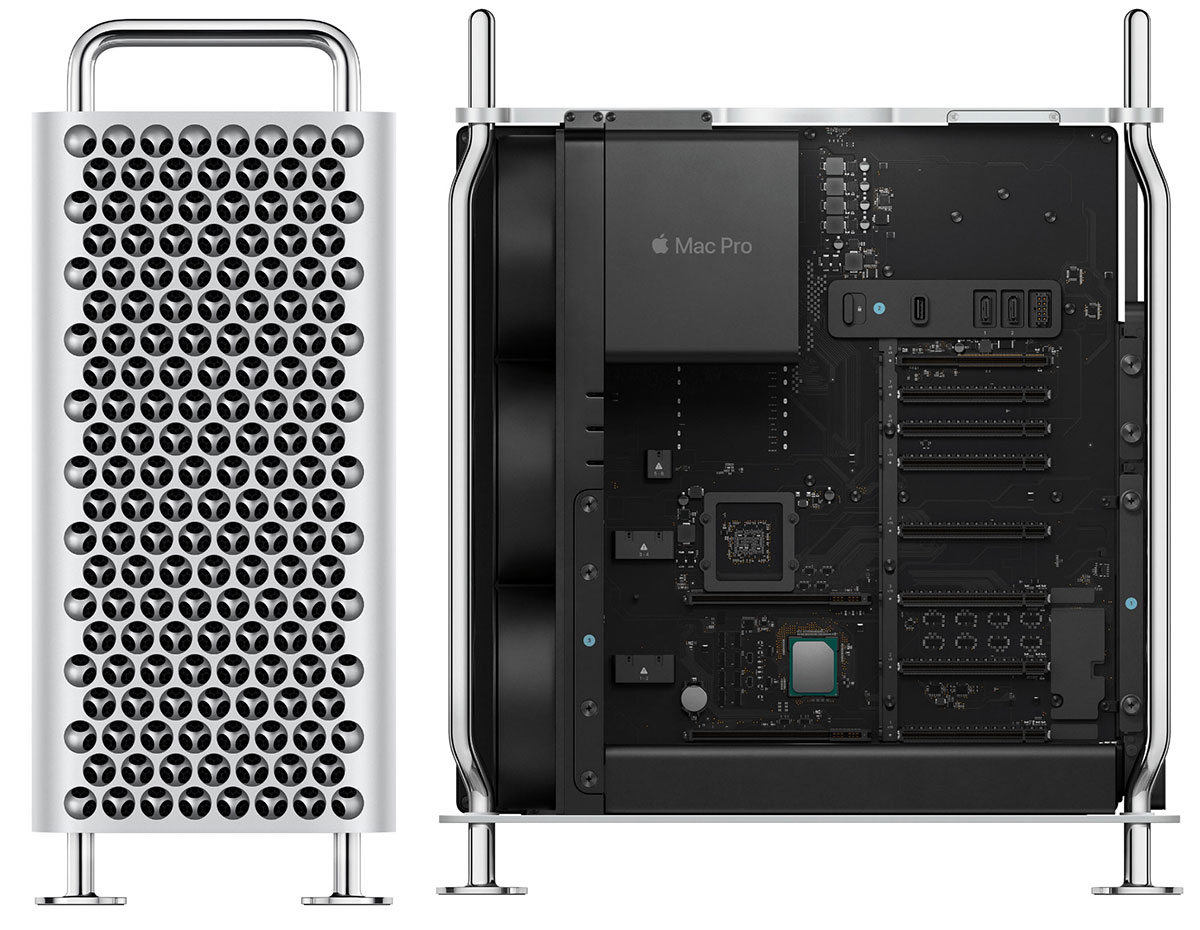
Embarrassed by its cylinder Mac Professional, Apple went again to the drafting board—really 2006’s unique Mac Professional drafting board, which itself was simply the drafting board used for the Energy Mac G5. Apple doesn’t waste its drawing boards.
The brand new Mac Professional was once more a hulking metallic beast. Like 2006’s Mac Professional, it had holes on the entrance; this time with the cheesegrater facet for actually laborious cheese, in contrast to the 2006 soft-cheesegrater look that might deal with solely crumbly cheddar. Totally loaded, the brand new Mac Professional price practically $55,000, an expense declare even a hedge fund would choke on, though that did embrace a set of $400 stainless-steel wheels.
Mac Studio (2022)
Apple
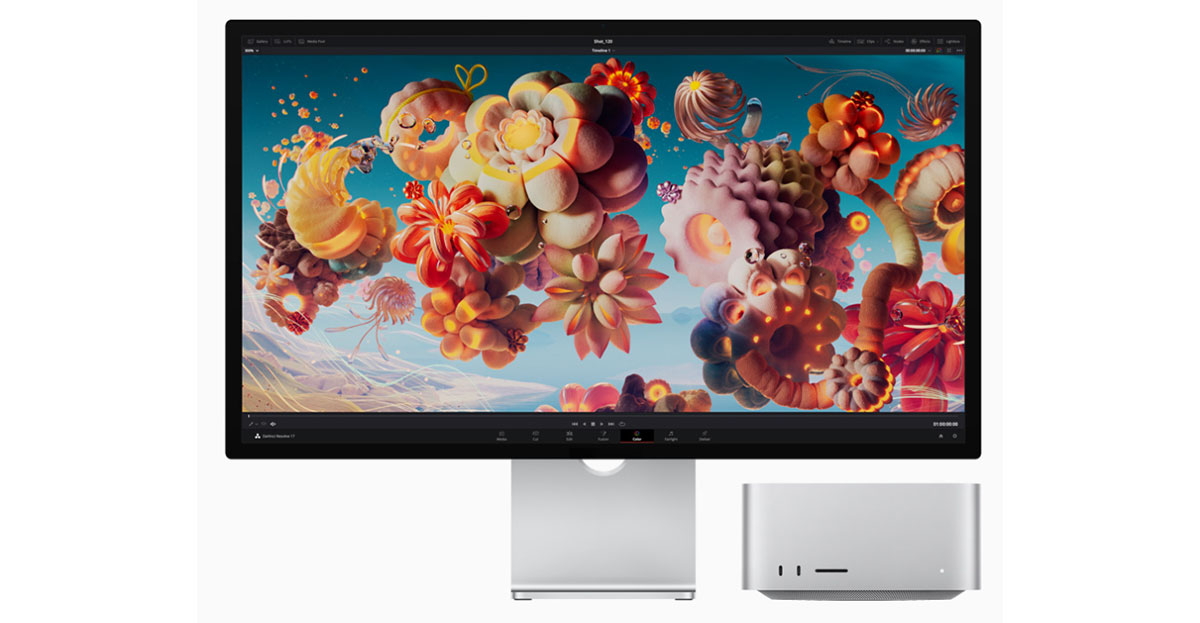
It may not have the phrase Professional in its identify, however with an Extremely processor and a boring case, the Mac Studio is each bit a professional machine. In 2023, the M1 Extremely was up to date to an M2 Extremely, and two years later to an M3 Extremely. An M5 Extremely Mac Studio is anticipated in 2026, possibly as early as June’s WWDC.
If it adopted Apple’s different free naming conventions it could be known as a Mac mini Professional or a Fats Mini Professional.
It was the quickest processor Apple makes and carried out even higher than a maxed-out 2019 Mac Professional costing 10 instances as a lot. Till the Mac Professional acquired its Apple silicon makeover, the Mac Studio was Apple’s quickest Mac and the most suitable choice for professionals.
Mac Professional (2023-2026)
Apple
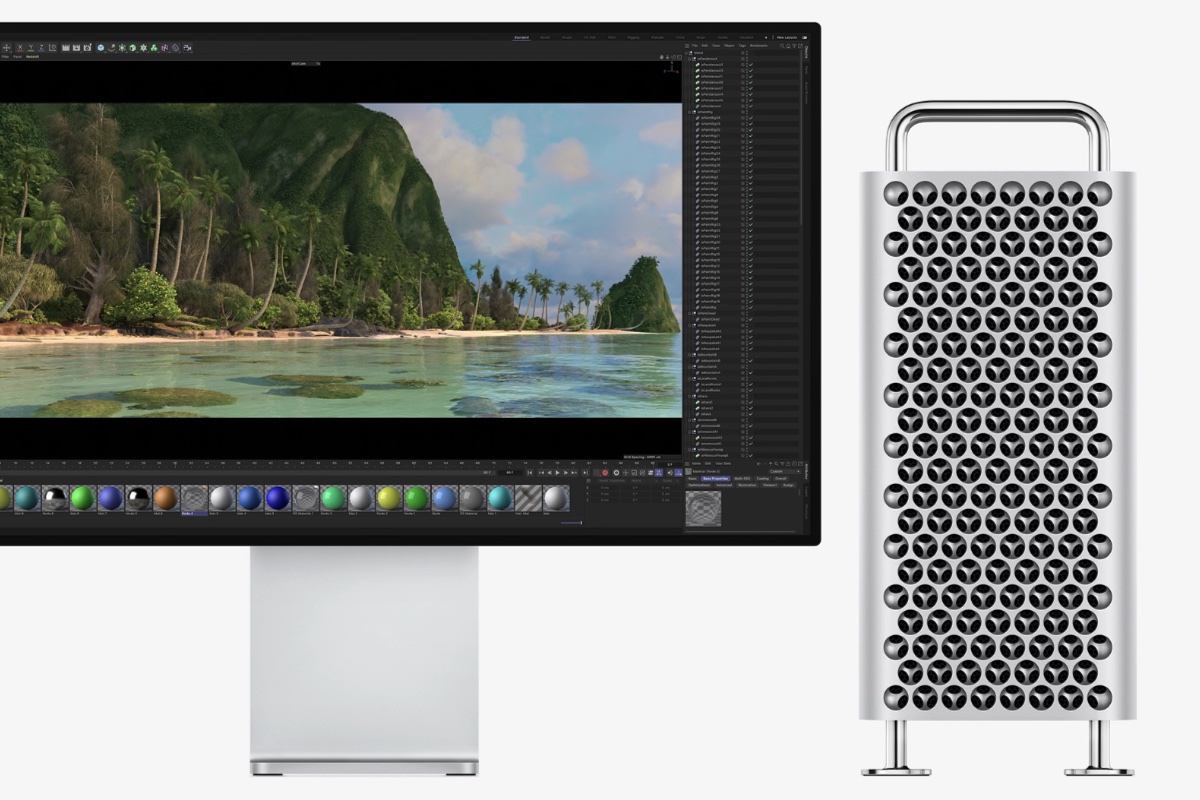
Apple took years to replace its 2019 Mac Professional with its Silicon processor expertise—I pray that nobody not too long ago forked out $55,000 for the previous one with ye olde Intel inside.
Armed with a 24-core CPU, 76-core GPU M2 Extremely processor and 192GB of RAM, Apple mentioned that it was 3x sooner than the Intel model that it nonetheless seems like—however price simply $12,299 totally geared up as a rack mount or $100 cheaper with stainless-steel body with wheels.
That, sadly, was the tip of the Mac Professional, when simply weeks earlier than its fiftieth Anniversary celebrations Apple eliminated the Mac Professional part from its web site, although Mac Professionals are nonetheless obtainable by means of Apple’s Licensed Refurbished retailer—an ignominious finish to an unloved big.
The way forward for the Mac Professional?
It seems just like the Mac Studio would be the Mac Professional till somebody at Apple is courageous sufficient to construct one thing a lot greater, heavier and meaner to be actually worthy of the Professional title.

