


Abstract created by Good Solutions AI
In abstract:
- Macworld examines Apple’s most influential merchandise from 1986-1995, when the corporate confronted close to chapter after Steve Jobs and Steve Wozniak departed.
- Key improvements included the Macintosh II’s modular coloration design, PowerBook 100 collection capturing 40% laptop computer market share, and Energy Macintosh 6100’s profitable PowerPC transition.
- These groundbreaking merchandise like LaserWriter printers and Newton MessagePad demonstrated Apple’s enduring innovation capability throughout its darkest interval, shaping future know-how landscapes.
With Apple turning 50 years previous, there’s been loads of reminiscing about all the nice issues persons are doing with Apple merchandise all over the world. However the occasions haven’t all the time been so rosy at Apple. Simply 10 years after the corporate’s founding, in reality, founders Steve Jobs and Steve Wozniak have been out of the image as the corporate struggled and practically slipped into chapter 11.
But regardless of its troubles, Apple nonetheless launched some unbelievable merchandise that had an enduring impression on the corporate and the PC panorama. Check out a number of the progressive new merchandise Apple launched between 1986 and 1995.
January 1986: Macintosh Plus
Apple
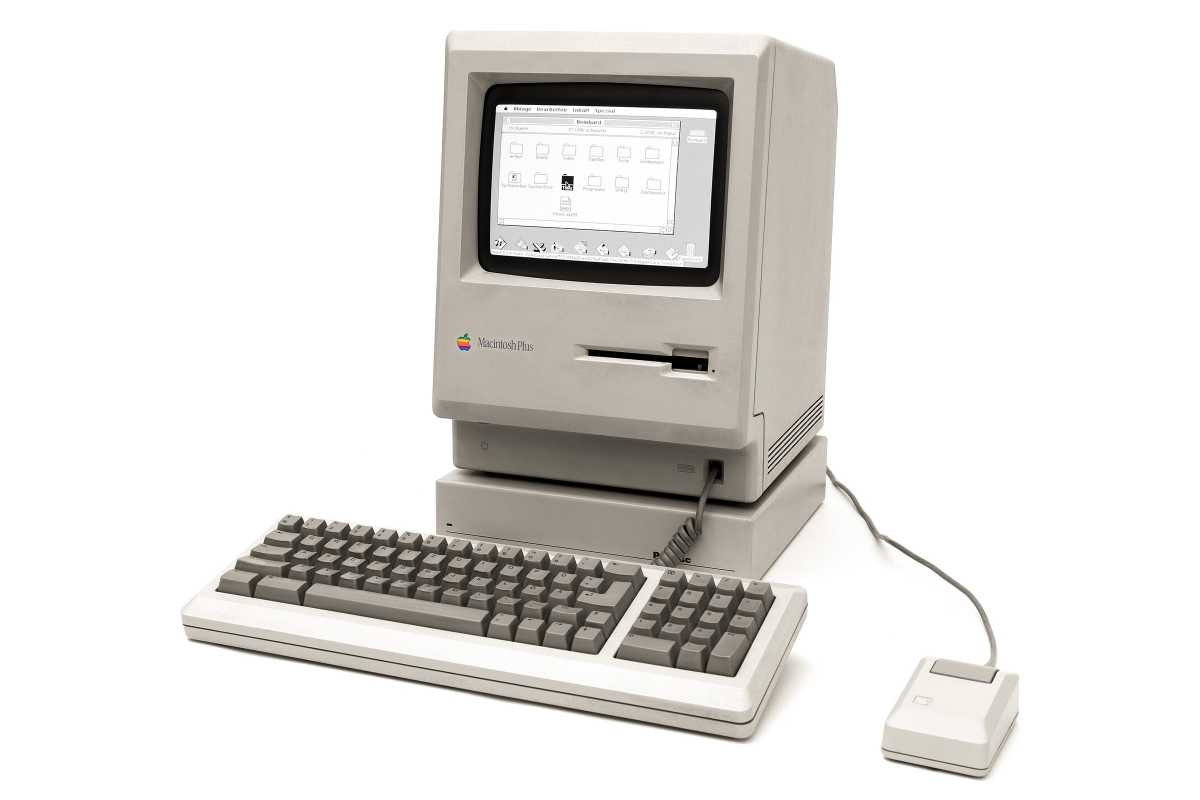
The unique Macintosh modified the face of computing when it touched down in 1984, and Apple knew it had its work lower out to observe it up. However earlier than a real successor arrived, the corporate rolled out the Macintosh Plus in early 1986.
It wasn’t as flashy as the unique Macintosh, however the Macintosh Plus left an enduring legacy of innovation. It was the primary Mac to return with big selection of options that later grew to become mainstays amongst Apple’s computer systems: a SCSI port that paved the best way for CD drives and onerous disks; a double-sided 800KB 3.5-inch floppy drive and user-upgradeable SIMM reminiscence; and an expanded keyboard with a quantity pad and directional arrows.
It was such a consequential Mac that it caught round unchanged till October 1990, a complete of 1,734 days, one of many longest-running Macs ever. Mixed with frequent reductions, it remained a favourite of Mac customers for years.
March 1987: Macintosh II
Apple
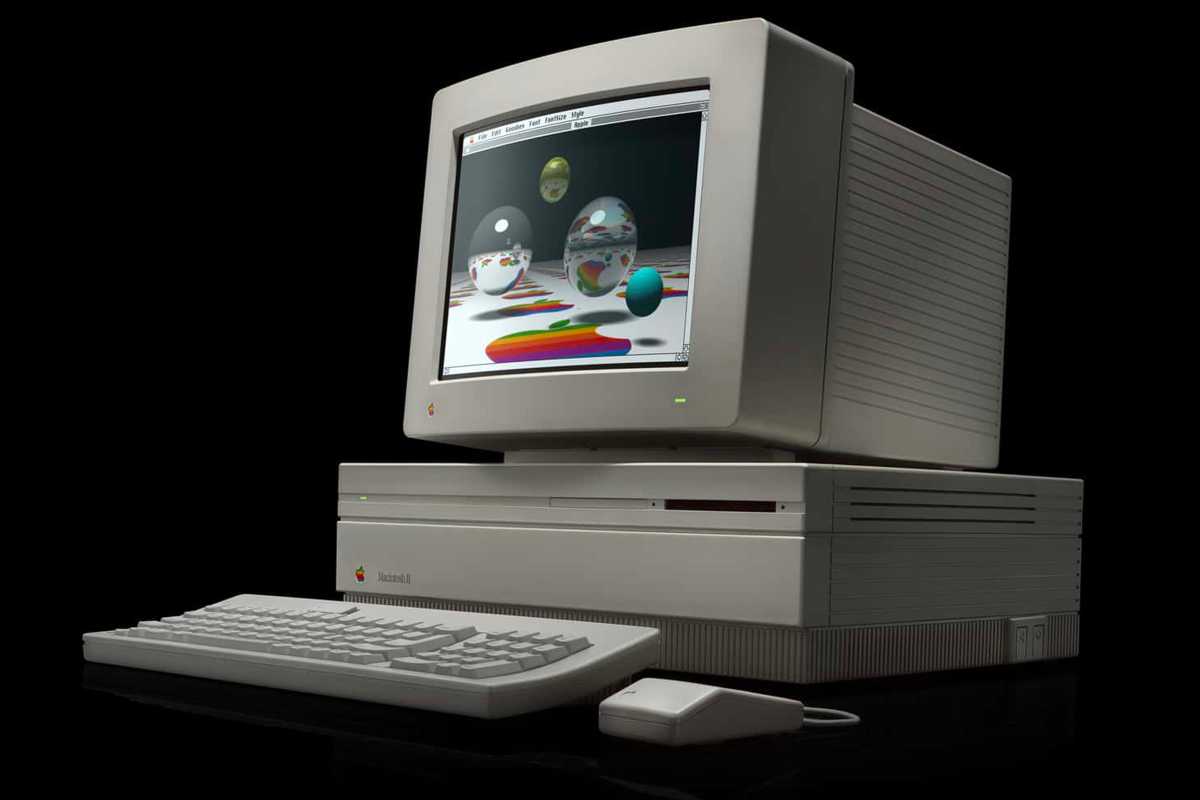
Whereas the Macintosh Plus was one thing of a stopgap product, the Macintosh II was the true inheritor to 1984’s Macintosh. It marked a radical departure from its predecessor, each in kind and performance, and was meant to deal with key complaints with the first-gen mannequin.
Whereas the unique Macintosh was a compact all-in-one, the Macintosh II separated its laptop and show into modular parts, the primary Mac to do that, in reality. That modular design allowed customers to produce their very own display, however to entice customers to stay with Apple, the Macintosh II supplied a coloration show, in addition to inner slots for further onerous drives, a characteristic initially opposed by Jobs. However with him out of the image, Apple was free to take new dangers.
January 1988: LaserWriter II
Apple
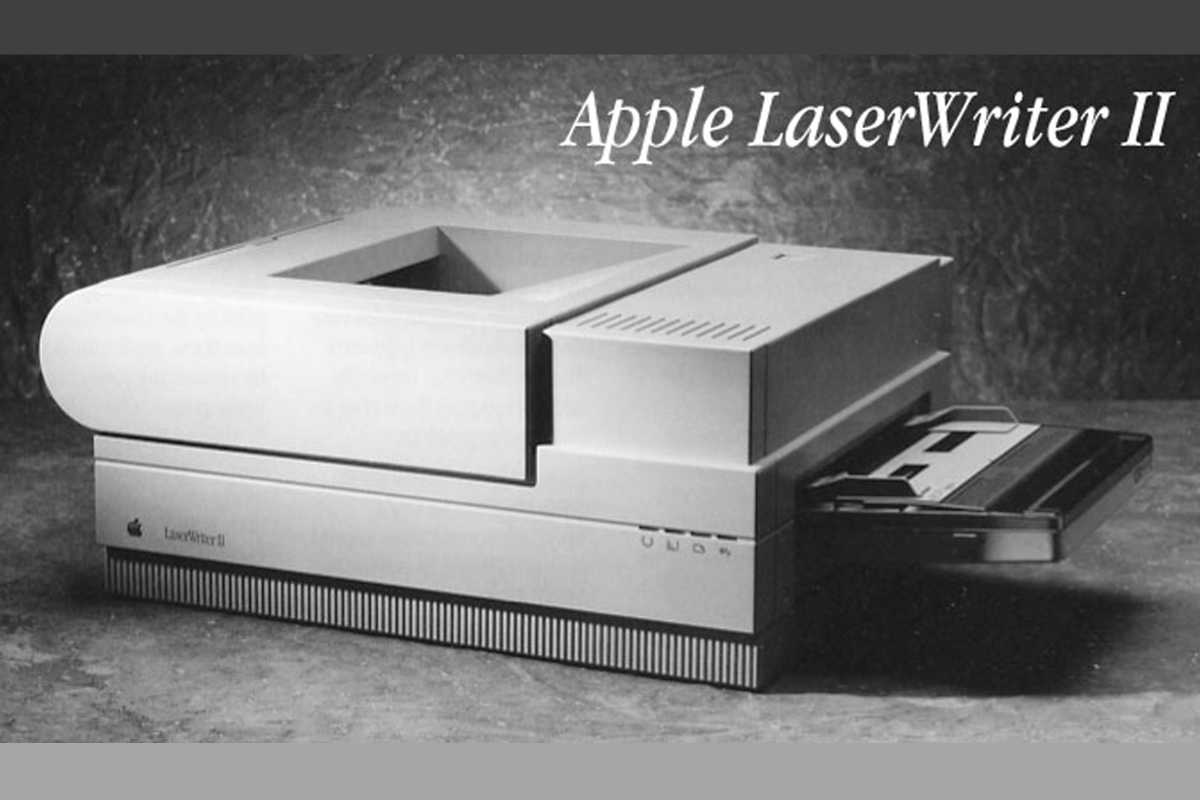
Within the mid-Eighties, printing paperwork at dwelling was nicely out of attain of most individuals. Apple’s LaserWriter helped kickstart the desktop publishing revolution.
The unique LaserWriter launched in 1985 and was a right away success. The LaserWriter II adopted in 1988, and it was meant to broaden upon its predecessor and cement Apple’s benefit on this space. It did simply that by providing extra fashions at a wide range of value factors, serving to to broaden desktop publishing to a wider viewers.
The LaserWriter IISC, for instance, saved on prices by omitting PostScript compatibility, which means Apple didn’t should pay a license charge to Adobe. The premium LaserWriter IINTX, in the meantime, added a SCSI controller for customers who needed to retailer printer fonts. These merchandise ensured Apple may proceed to trip the printer wave and carefully hyperlink itself to artistic people and corporations – an affiliation that continues right this moment.
September 1989: Macintosh Transportable
Lately, Apple excels at packing high-end energy into skinny and light-weight laptops, however that wasn’t all the time the case. In any case, again within the late Eighties, the know-how merely didn’t exist to make desktop computer systems actually moveable, however that didn’t imply Apple wasn’t prepared to strive.
The consequence was the Macintosh Transportable, and it proudly took its place as one of many trade’s first-ever laptops. Its identify might need been a bit deceptive, although, at the very least by trendy requirements – this “moveable” product tipped the scales at 16lbs, virtually six occasions the load of the newest M5 MacBook Air. As the primary battery-powered Mac, Apple claimed it could final about 10 hours earlier than needing to be charged, but it surely drew a lot energy, it wanted the battery to begin up even when plugged in.
Nonetheless, it was an undeniably formidable machine. The Macintosh Transportable got here with a built-in trackball for mouse utilization on the go, a high-end active-matrix fold-down show, and a low-power onerous drive in an try to avoid wasting battery life. But its huge, cumbersome, heavy battery – coupled with its eye-watering price ticket that topped $7,000 – doomed it to poor gross sales and ignominy.
October 1991: PowerBook 100 collection
Apple
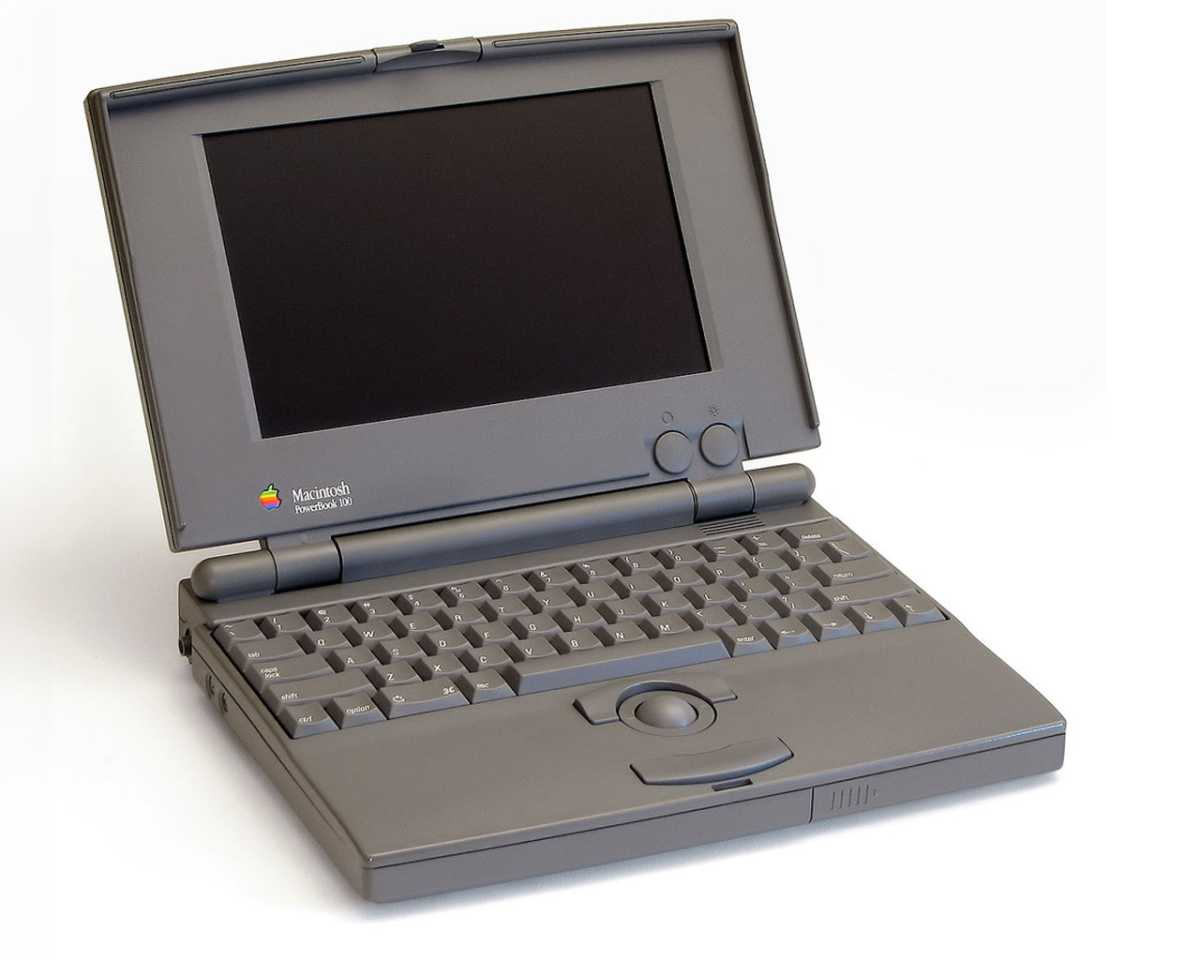
The failure of the Macintosh Transportable solely proved that there was a marketplace for on-the-go Macs. Actually, the corporate was simply getting began, and it adopted up with the PowerBook 100 collection in October 1991. Comprising entry-level, mid-range and high-end fashions, the PowerBook 100 realized the teachings of the Macintosh Transportable and received Apple’s laptop computer vary heading in the right direction.
Certainly, the PowerBook vary was all the things the Macintosh Transportable was not. The PowerBook got here in a glossy new darkish grey coloration scheme and clocked in at round a 3rd of the load of the Macintosh Transportable. It additionally sweated the small stuff: one among its well-received improvements was the truth that it included a built-in palm relaxation beneath the keyboard, one thing that’s commonplace on virtually each laptop computer right this moment.
The preliminary choice of PowerBooks was an unbelievable success for Apple and reportedly captured round 40 % of the laptop computer market in its first 12 months. The PowerBook 100 was progressive and groundbreaking, and continues to be hailed as one among its most influential PC laptops ever.
Could 1992: Newton MessagePad 100
The Newton MessagePad doesn’t have the best repute. Nonetheless, whereas Apple’s first PDA was removed from good, it paved the highway for a lot of of Apple’s iconic merchandise.
As an example, it was thought-about one of the thrilling merchandise on present at Apple’s August 1993 Macworld Expo and offered 50,000 models in its first three months of availability. Within the burgeoning world of PDA units, the Newton MessagePad 100 was a visionary product that launched most of the instruments we use right this moment, together with handwriting recognition, display rotation, and adaptive digital keyboards.
Nonetheless, Newton’s preliminary handwriting system drew criticism for its inaccurate interpretations of customers’ phrases (though later updates vastly improved its skills), whereas the MessagePad 100’s use of AAA batteries was additionally sub-optimal. But it surely stays that it had a large impression on the tech panorama.
February 1994: QuickTake 100
Apple
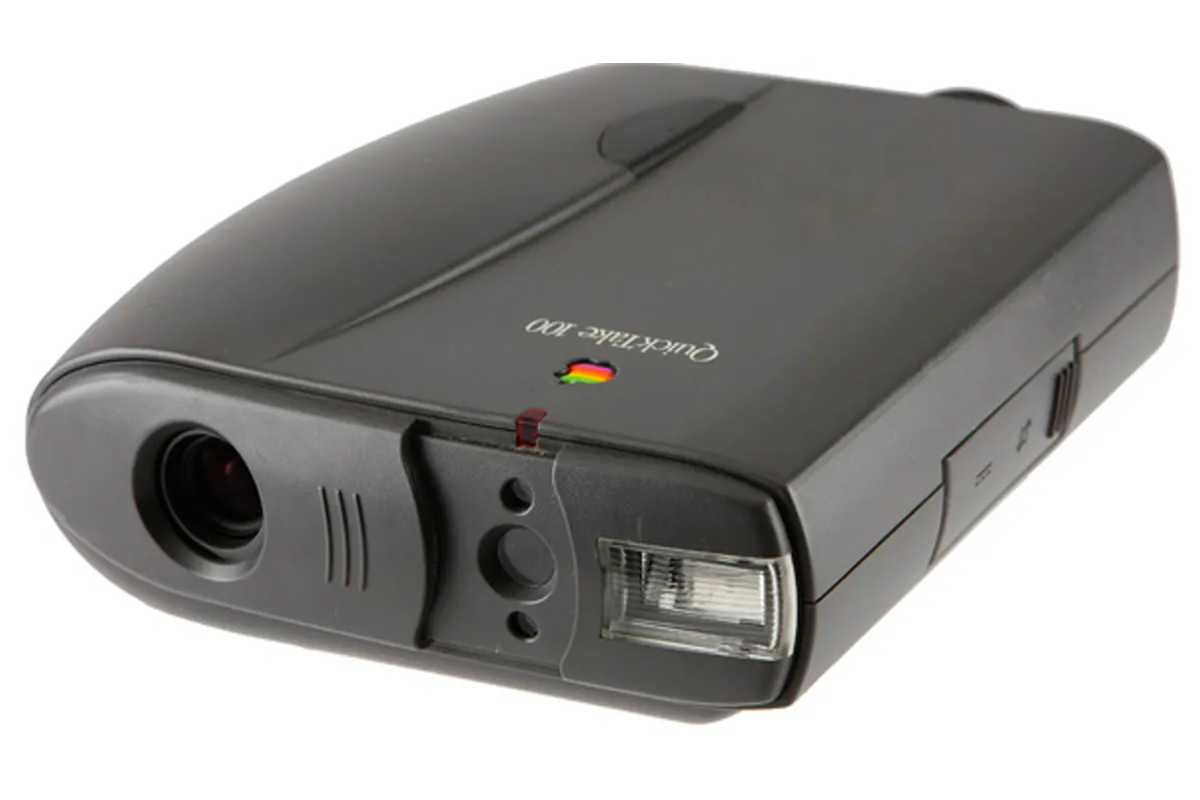
In the course of the Eighties and Nineties, Apple was greater than only a Mac maker, as evidenced bt the LaserWriter II and Newton MessagePad 100. One other product to take Apple’s pursuits exterior the Mac was the QuickTake 100, one of many first consumer-oriented digital cameras and a trailblazer within the discipline.
As continues to be typical for Apple merchandise right this moment, the QuickTake 100 was targeted on ease of use as a key promoting level, and early reviewers counseled its strides on this space. By right this moment’s requirements, although, the QuickTake 100 feels considerably primitive. It may retailer as much as eight photographs at 640×480 decision, had no focus or zoom controls, and didn’t even provide a approach to preview or delete particular person photos after seize.
Regardless of its early promise and constructive reception, the QuickTake vary was discontinued – together with different product strains such because the LaserWriter and Newton ranges – when Steve Jobs returned to the corporate in 1997. Nonetheless, its temporary outing confirmed what was potential when Apple ventured into the world of moveable shopper devices.
March 1994: Energy Macintosh 6100
Apple
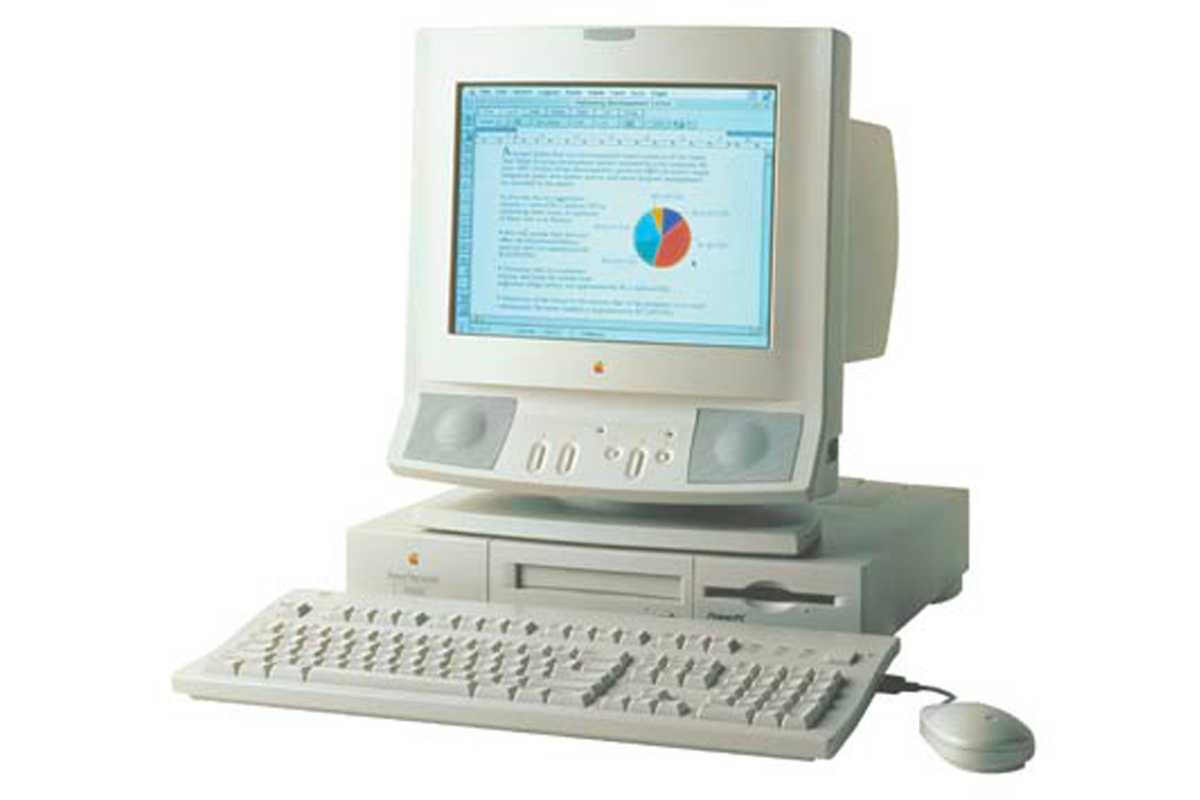
Since its inception, Apple had lengthy collaborated with Motorola as its major chip provider for Apple’s computing lineup. However by the early Nineties, nonetheless, Apple was getting annoyed at Motorola’s incapability to maintain up with Intel. To deal with the state of affairs, the Apple-Motorola pairing enlisted the assistance of IBM, with the ensuing AIM partnership birthing the PowerPC processor and the primary Mac to characteristic these chips: the Energy Macintosh 6100.
Named for its 60MHz PowerPC 601 CPU, it dramatically boosted efficiency over the Quadra. As Macworld wrote on the time: “Not solely has Apple lastly regained the efficiency lead it misplaced about eight years in the past when PCs appeared utilizing Intel’s 80386 CPU, but it surely has pushed far forward.” A 12 months after launching, the Energy Macintosh line had virtually utterly changed all different Mac choices, whereas the marketplace for add-in “accelerator” playing cards was made redundant because of the cheap pricing of Apple’s personal booster card. It was, in different phrases, a revelatory product.
The Energy Macintosh’s success underlined Apple’s confidence in its choice to shift to PowerPC processors. It was simply the primary of a number of main structure shakeups to return, however the Energy Macintosh and its PowerPC chips confirmed that change—and chip transitions—didn’t should be painful.
That is half two of a five-part collection exploring 50 years of Apple product releases. Keep tuned to Macworld all week as we discover the opposite a long time: 1976 to 1985; 1996 to 2005; 2006 to 2015; and 2016 to right this moment.

