


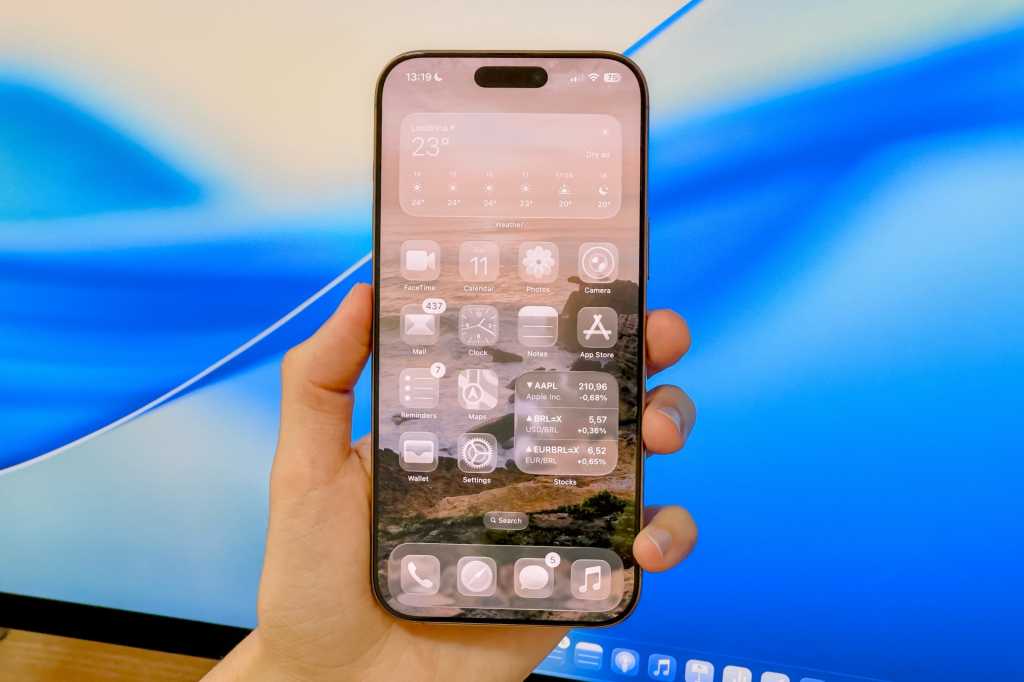
With iOS 26, Apple launched probably the most important modifications to its working system interface, arguably probably the most radical since iOS 7. Nonetheless, this variation has additionally led to many customers experiencing annoying bugs and efficiency points.
Not solely that, however Apple nonetheless hasn’t delivered on most of the Apple Intelligence options it promised two years in the past at WWDC 2024. That’s why, when Apple unveils iOS 27 at WWDC in June, my solely want is that it focuses on fixing iOS as a substitute of fixing it much more.
iOS 26 has been a troubled launch
Each time Apple releases a brand new model of iOS, some bugs are to be anticipated. That’s why Apple is all the time releasing updates to refine its software program. No platform is resistant to bugs, particularly when it has simply undergone main modifications.
However if you happen to ask many iPhone, iPad, or Mac customers, they’ll probably let you know that iOS 26 was probably the most buggy releases of current occasions. It’s not exhausting to seek out stories on-line about damaged options, interface glitches, or gradual efficiency (particularly on older gadgets).
Since September, Apple has launched 10 software program updates for iOS 26, together with main updates and smaller safety and bug fixes. We’ve gotten three in simply the final month, with iOS 26.4 including new options, adopted by minor updates iOS 26.4.1 and iOS 26.4.2 that centered on bugs and safety updates. Nonetheless, iOS 26 doesn’t really feel as polished as iOS 18 did.
For me, probably the most annoying issues about iOS 26 has been how sizzling my iPhone 17 Professional Max with the brand new vapor cooling chamber will get even when operating fundamental apps like Messages. Because of this, the battery has additionally been draining in a short time.
There are additionally a couple of minor however very disagreeable bugs, corresponding to icons disappearing or displaying up in a unique type than the one I selected (like a light-weight icon when darkish mode is on), Face ID taking longer to authenticate, and intensely sluggish animations when Low Energy Mode is enabled.
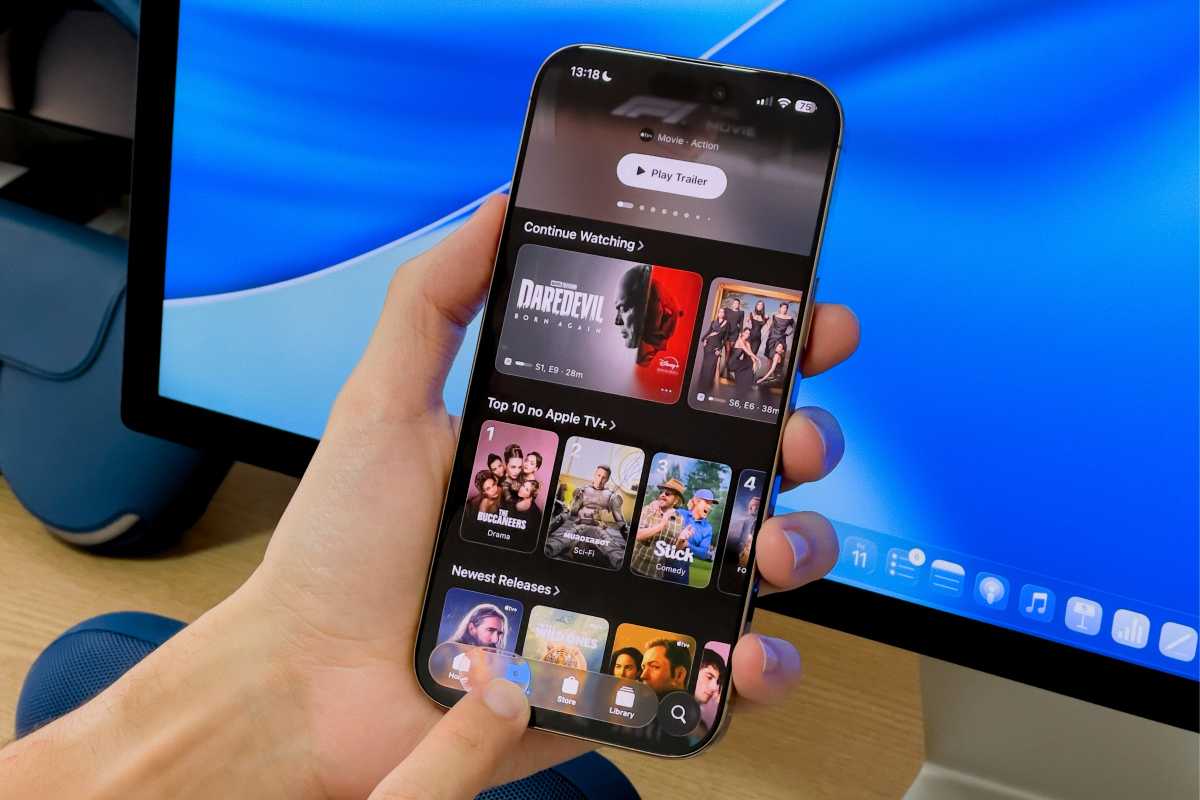
I may additionally point out how unreliable the digital keyboard has develop into, even with all of the fixes in iOS 26.4, and the way the Liquid Glass interface has made some textual content unreadable.
Foundry
Liquid Glass is likely to be accountable
The issues all appear to come back right down to Liquid Glass. Apple’s new shiny interface calls for a number of {hardware} assets, particularly graphics assets, since we see translucency and distortion occurring in actual time.
When Craig Federighi launched Liquid Glass at WWDC 2025, he made positive to say how the chips inside Apple gadgets have advanced when it comes to efficiency in recent times, enabling the corporate to run a extra demanding and sophisticated interface. And that’s true, however it appears that evidently Apple didn’t take the time to fine-tune the efficiency of this interface on gadgets that rely closely on battery energy.
To check simply how resource-intensive the Liquid Glass interface is, I used my MacBook Professional with an M4 Professional chip because it’s simpler to measure GPU and energy utilization on macOS than it’s on iOS. Right here, my Mac normally runs at round 3W when idle. It’s fairly spectacular. Apple Silicon chips actually shine right here. And even after I’m doing easy issues like scrolling via a webpage in Safari or opening a Finder window, energy consumption not often exceeds 5W.
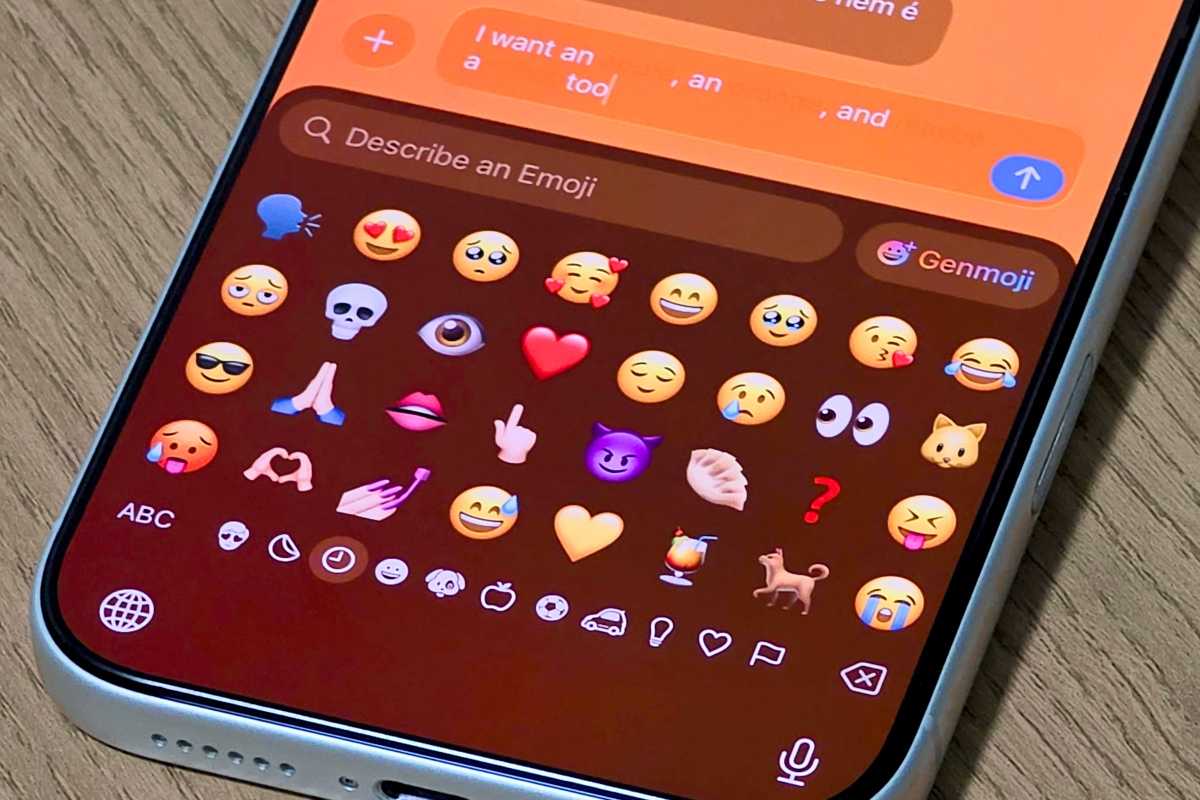
However that is the place issues begin to get attention-grabbing. Once I open the Messages app in a chat with an animated background, energy consumption spikes to 10W. On the identical time, GPU utilization, which usually ranges from 0% to five% when idle, reaches 40 p.c when the Mac is rendering animations within the Messages app.
Foundry
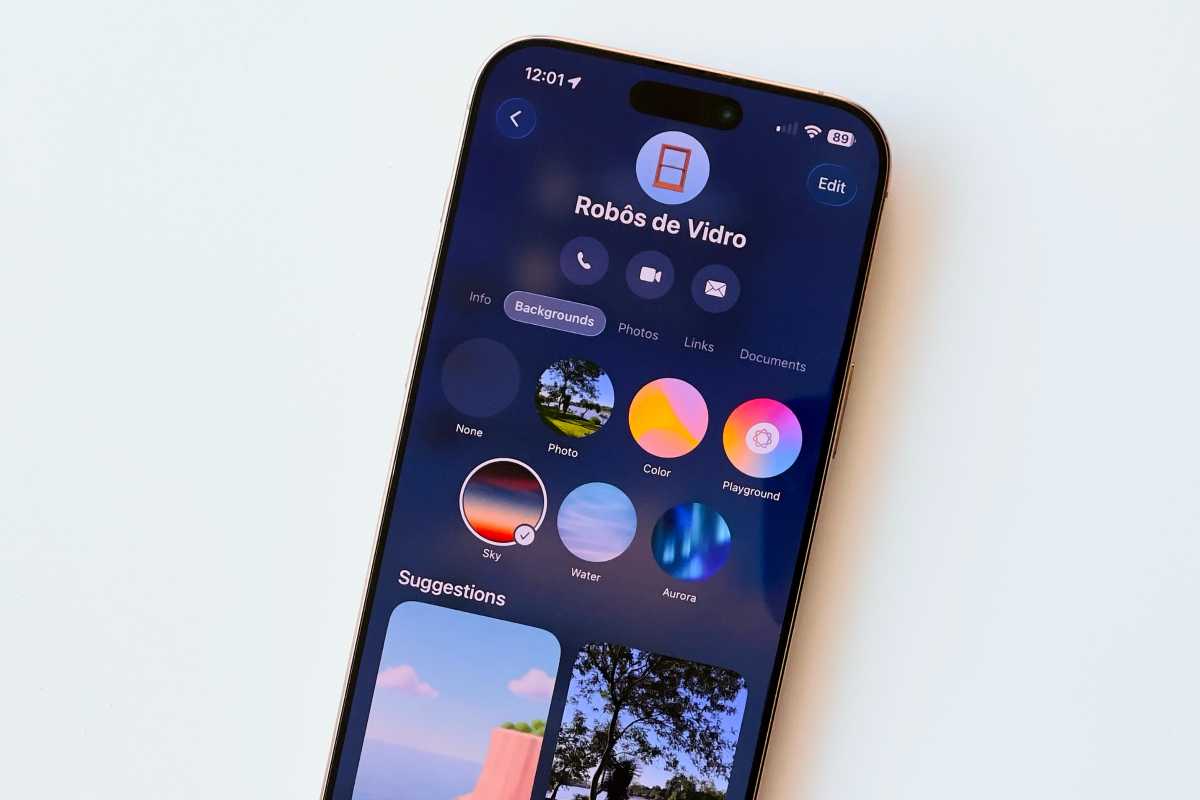
Since not everybody makes use of animated backgrounds of their chats, I ran one other check with one thing that most individuals use: Management Heart and Notification Heart. And I set my widgets and icons to the “Clear” possibility. Right here, the outcomes had been much more stunning.
Once I opened each Management Heart and Notification Heart on my Mac, it recorded a peak energy consumption of 15W, with GPU utilization reaching as much as 40 p.c to render the animations.
I ran the identical check with transparency turned off, and this time the height energy consumption was solely 8W, with not more than 20 p.c GPU utilization.
For comparability, I additionally measured energy consumption and GPU utilization whereas operating the favored sport Asphalt 8 on my MacBook. To my shock, the sport (which is 3D rendered) averaged 15W of energy consumption with peaks of 26 p.c GPU utilization.
In different phrases, doing one thing so simple as opening the Notification Heart in your system can use simply as many {hardware} assets as taking part in a 3D sport, because of Liquid Glass. While you do that a number of occasions all through the day, you make the GPU work tougher, leading to extra warmth and quicker battery drain.
Damaged guarantees
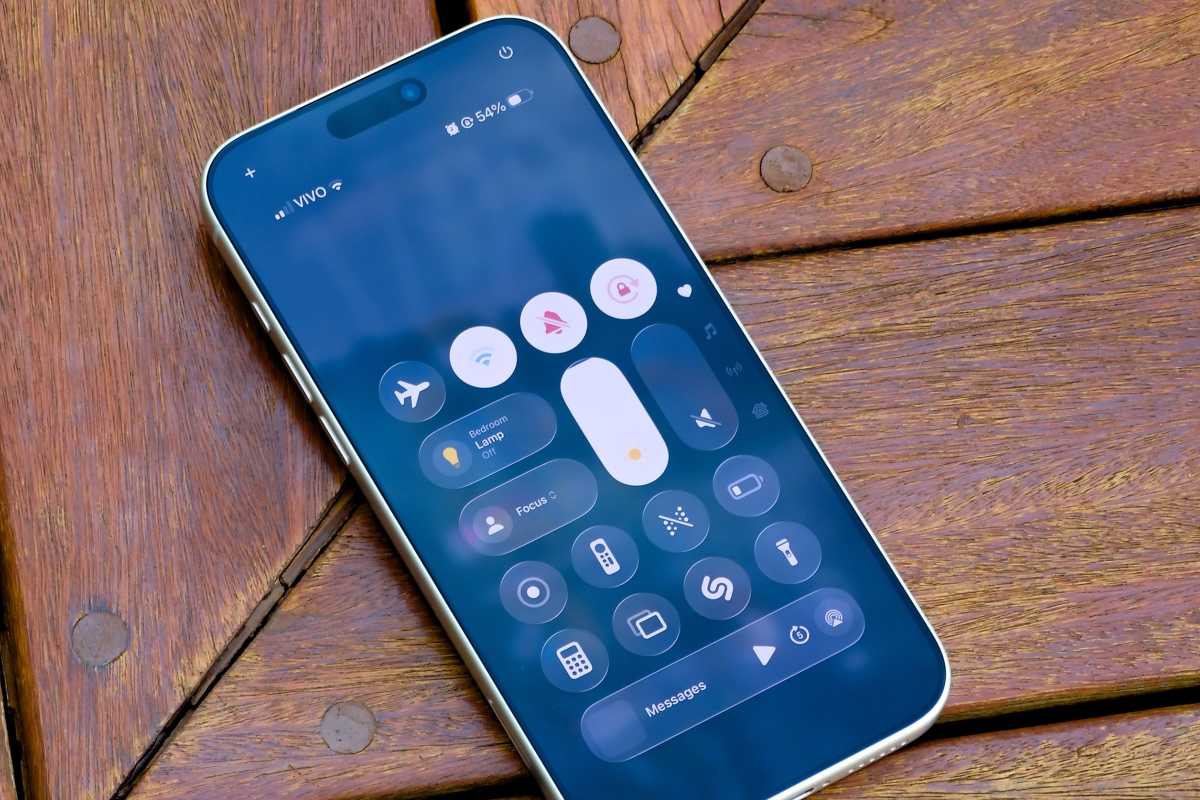
Along with the bugs and efficiency points, it’s unattainable to not point out all of Apple’s damaged guarantees in current occasions. When the corporate introduced Apple Intelligence at WWDC in 2024, it promised a brand-new model of Siri that might be able to controlling the complete system.
Foundry
Nearly two years later, the brand new Siri nonetheless isn’t right here. All we acquired was a brand new animation for the previous model of the assistant.
Apple additionally promised that it could combine Apple Intelligence all through the complete system. However in actuality, we’ve solely seen a couple of options, corresponding to Genmoji, Writing Instruments, and notification summaries.
Whereas rivals are making speedy strides with AI options, Apple continues to be struggling to ship the fundamentals. Options that exist already in iOS, corresponding to “Clear Up” within the Photographs app, don’t work in addition to alternate options out there in third-party apps.
The main focus must be on fixing issues
At this level, Apple doesn’t must give you bold concepts for its working methods. It wants to repair what’s damaged.
iOS 26 exhibits what occurs when huge concepts ship with out sufficient time to mature. Liquid Glass could signify the way forward for Apple’s interface design, and Apple Intelligence should develop into one thing actually significant. However proper now, each really feel incomplete. The issue isn’t an absence of innovation. It’s that the expertise doesn’t really feel as dependable because the {hardware} it runs on.
Foundry
Apple is at the moment present process a serious transition, with Tim Prepare dinner stepping down as CEO and John Ternus taking on the position. If there’s one factor he can do to get off on the correct foot, it’s to ship on what was promised years in the past and present that Apple stays dedicated to creating not solely nice {hardware} but additionally glorious software program.
I don’t want my iPhone to do extra this 12 months. I simply want it to do the fundamentals properly once more. And if Apple will get that proper, WWDC won’t be probably the most thrilling keynote, however it may find yourself being probably the most necessary.

