


Abstract created by Good Solutions AI
In abstract:
- Macworld displays on two pivotal Apple keynotes that outlined the corporate’s historical past: Steve Jobs’ 1997 return as interim CEO and the revolutionary 2007 iPhone unveiling.
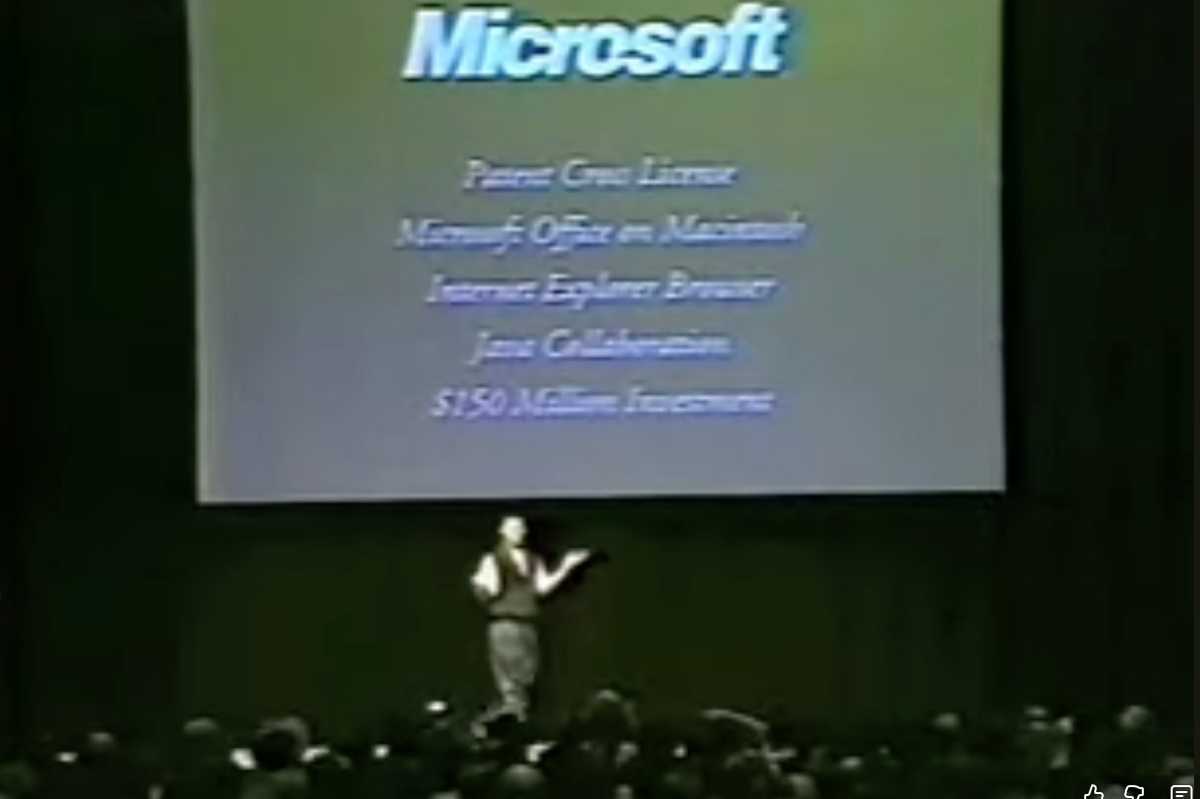
- The 1997 keynote marked Apple’s restoration intervention, that includes a controversial Microsoft partnership with $150 million funding in the course of the firm’s monetary struggles.
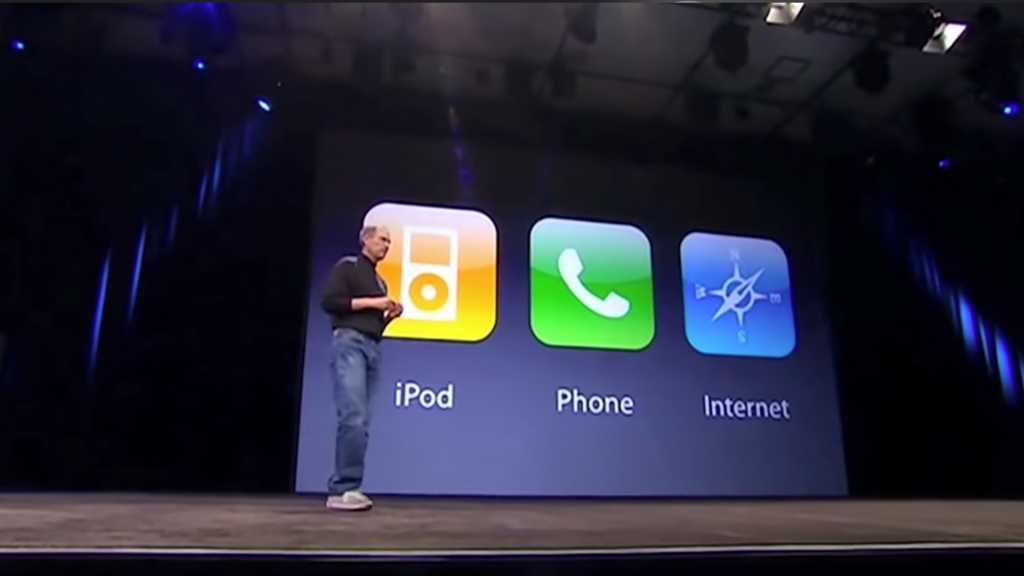
- The 2007 Macworld keynote exceeded expectations when Jobs launched the iPhone, combining iPod performance with mobile capabilities and full web entry, charming audiences worldwide.
As somebody who has been overlaying Apple for a extremely very long time, I’ve been to a justifiable share of Apple keynote displays. Even as we speak, I stay up for the following one (which occurs to be on June 8). However there’s one thing particular about attending an Apple keynote in particular person, in a crowd of Apple prospects, builders, and followers who hold on each phrase.
Apple has had a number of outstanding keynote moments in its 50 years. Everybody has their favorites. For me, two keynotes particularly stand out above all of them. They have been very completely different keynotes, however as I look again over the previous 5 a long time, they have been additionally necessary hallmarks in Apple’s historical past.
1997: Steve Jobs returns and brings Invoice Gates
Steve Jobs’ August 1997 Macworld Boston keynote was one among his most memorable displays, however not for the efficiency and even the merchandise introduced. (In actual fact, no new merchandise have been launched in any respect.) It was all in regards to the circumstances of Apple on the time.
Apple was in a foul method. The corporate was dropping cash, the Mac lineup was a multitude (issues have been so dangerous, Apple had a Mac OS licensing program), and CEO Gil Amelio had no clue how one can flip issues round. However then Apple purchased NeXT, Steve Jobs got here again, and was named interim CEO.
That units the tone for the August 1997 Macworld Expo keynote, Jobs’ first since his return–a homecoming, in a method. IDG’s Colin Crawford opened the keynote by reminding folks that Apple was in dire straits–a minimum of, Crawford posited, that was the notion within the media. That arrange the premise for Jobs, who defined the primary steps Apple wanted to take to get again on observe. “Apple is executing splendidly on lots of the flawed issues,” he mentioned.
I used to be on the keynote as an affiliate editor for MacUser (Macworld’s predominant competitor on the time), however I used to be in an overflow room with a number of hundred individuals, so perhaps our circumstances allowed us to be extra reactive than being in the principle corridor. And that declaration by Jobs landed with a thud. The room stirred for a second, however stopped as a result of everybody wished to listen to how Jobs was going to save lots of… us.
Jobs emphasised how change wants to begin on the high. The primary corridor responded with applause, however my overflow room echoed with cheers. New board members have been launched, and attendees erupted when Invoice Campbell was launched. Jobs defined how Apple wanted to prioritize the inventive and training markets, and the group was once more loudly vocal in settlement. The joy was constructing; the temperature of the room turned invigorating. Drastic adjustments have been mandatory, and this was an excellent begin. Jobs was on a roll, saying issues individuals wished to listen to.
Finally, Jobs talked about partnerships, and Apple introduced a partnership with Microsoft, of all corporations. Immediately, the temper within the room modified. Jobs introduced an settlement to set Microsoft’s Web Explorer because the default browser for Mac OS, and that Microsoft is making a $150 million funding in Apple.
Screenshot
Apple
That was a bomb that left individuals in my room dazed. Individuals weren’t completely happy, and to high it off, Invoice Gates got here on display to say a couple of phrases, phrases I couldn’t hear as a result of the room was so loud with commotion. It was as if Apple had made a take care of the satan.
This keynote was a curler coaster, and everybody felt winded afterwards. The keynote had completely no tech discuss in it, no new merchandise, no whiz-bang demonstrations, no introduction of the newest and best developments, and no intelligent or cringy comedic moments. Jobs had a fame as a showman, however this displayed one other aspect of Jobs: honest, direct, and talking in language all of us might perceive. He was acutely aware of the second; this wasn’t the time for advertising and marketing clichés and company doublespeak. It was, in a method, an intervention. Apple wanted to begin over, and Jobs detailed the primary steps.
2007: The iPhone
In 2007, I used to be the opinions editor for MacAddict, and I went to the 2007 Macworld San Francisco keynote, the place it was rumored that Apple was going to enter the smartphone market with a tool that mixed the iPod with a cellphone. Rumors have been everywhere about what the machine would appear to be–and a few, akin to a former Macworld columnist who simply wrote a new ebook about Apple, didn’t suppose Apple would actually do it.
However the buildup to the expo made the iPhone look like a forgone conclusion. The query was not whether or not the iPhone would occur, however what the iPhone could be. As I settled in with my fellow MacAddict editors within the west corridor of Moscone Middle earlier than the keynote started, the joy within the air was palpable. The anticipation earlier than an Apple keynote is at all times current, however on at the present time, all of us felt like one thing particular was going to occur.
The primary quarter-hour of the 2007 keynote are nearly forgotten. It’s straightforward to search out the keynote on YouTube, however a lot of the postings are copies of the identical video that cuts out the primary a part of the presentation. In these quarter-hour, Steve Jobs talked in regards to the transition to Intel processors, iTunes gross sales, and formally launched the Apple TV.
Then Jobs paused to get a drink of water, pressed on his clicker for the following slide, and mentioned, “This can be a day I’ve been wanting ahead to for 2 and a half years.” It was a cue to tell us that we should always strap in, as a result of we have been going to be in for one hell of a trip.
You most likely know all about that trip: the three units in a single, image of a rotary iPod, the exclamation that the iPhone runs Mac OS X, the introduction and demo of multitouch, the calls to Jony Ive and Phil Schiller within the viewers (each of whom have been utilizing flip telephones), the pinch to zoom demo, the “full web” entry, Jobs saying “increase” with each faucet, even the awkward interlude with Cingular CEO Stan Sigman.
Going again and watching movies of the keynote, it could look like the viewers was very quiet throughout the entire thing. We have been, as a result of we have been all so enthralled by what we have been seeing: a product that none of us imagined, even in our wildest goals. The iPhone exceeded all expectations, and we received to bear witness to one thing superb. And this was peak Steve Jobs–charismatic, personable, relatable. He captured our consideration, and we have been all keen to present it. To at the present time. no different CEO is ready to mesmerize and seize a room as he did–they might attempt, however that’s the factor, keynotes got here effortlessly to Jobs, he barely needed to attempt. He simply did it.
Earlier than this keynote, I used to dislike the phrase, “we simply noticed historical past being made,” as a result of it’s used extra typically than it must be, making it appear pithy to me. However on this occasion, it’s one of the simplest ways to explain the keynote. I used to be lucky sufficient to witness in particular person historical past being made and a grasp at his finest, and I look again in the intervening time fondly. Right here’s hoping for one more 50 years of moments like these from Apple.

