


Abstract created by Sensible Solutions AI
In abstract:
- Macworld warns of a classy Apple Pay phishing rip-off utilizing pretend “blocked transaction” emails with official-looking branding and pressing language.
- Scammers direct victims to fraudulent telephone numbers to steal Apple ID credentials and banking data, exploiting urgency ways.
- Apple by no means approves transactions by means of message responses and solely sends official notifications by way of the Pockets app for declined purchases.
iPhone and Mac customers might imagine they’re resistant to on-line assaults due to the excessive stage of safety supplied by Apple merchandise. (That’s not fairly true, however that’s a dialogue for one more day.) This ignores, nonetheless, the hazards of phishing, which depends on tricking customers into freely giving important information relatively than overcoming a tool’s defences.
That is vital to know as a result of some phishing scams may be extraordinarily competent and troublesome to identify, and even skilled tech customers could also be fooled. Corresponding to a brand new marketing campaign, lined this week by AppleInsider, which makes use of Apple Pay and a pretend “blocked transaction” to create a way of urgency and bully victims into revealing their account and cost data.
The rip-off begins with an e-mail. The sender poses as an Apple worker, reinforcing this impression through the use of official-looking logos and formatting, and a show title that looks like it comes from an official Apple area. (In the event you examine this by hovering over the deal with, you’ll see it comes from one other area solely.) They declare to be contacting you to warn of doable fraud… however the one fraud is the one they’re making an attempt to perpetrate.
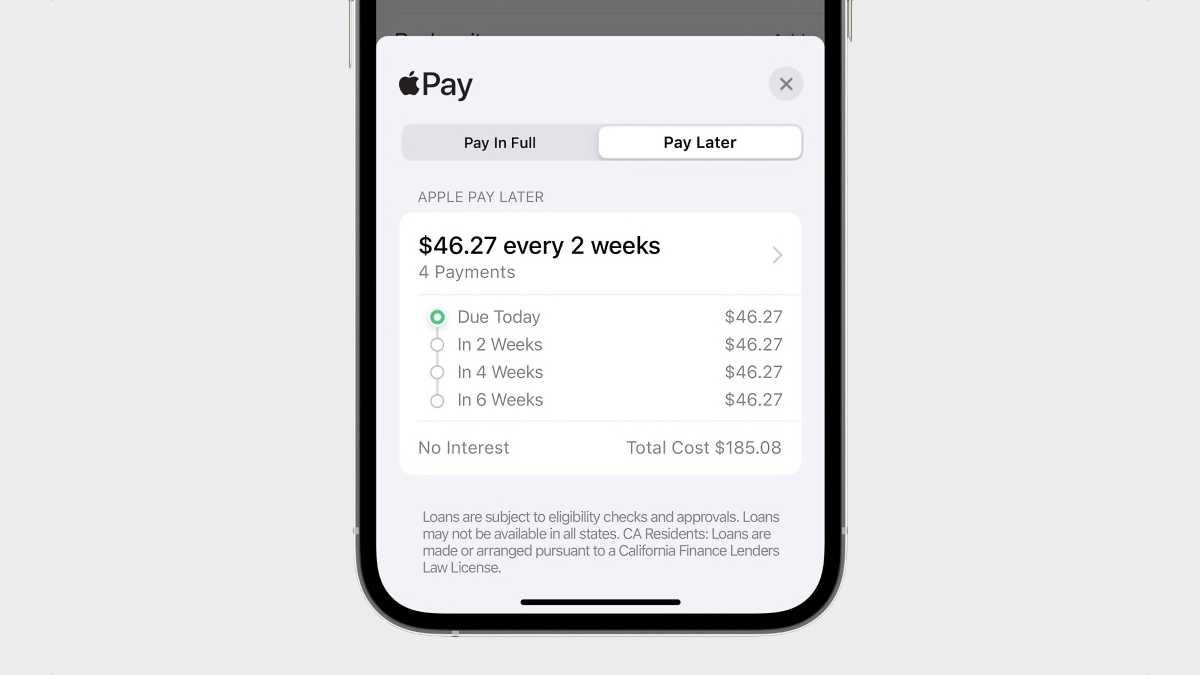
Most Apple Pay communication is completed by means of the Pockets app, so an e-mail ought to robotically increase a purple flag.
Apple
The e-mail talks a couple of high-value Apple Pay buy. One thing went flawed with this, the sender claims: it originated from an unknown gadget at an unknown location, or was suspicious in another manner. So Apple blocked the cost and prevented that gadget from accessing the Apple Pay account sooner or later. However right here’s the rub: if the recipient of the e-mail doesn’t take motion inside a sure time period to substantiate it was a fraudulent try, Apple will assume it was truly advantageous and go forward and course of the transaction. You’re going to lose a big sum of cash if you happen to don’t act now.
This, as with nearly all phishing makes an attempt, is designed to create a way of urgency. If the clock is ticking, the sufferer is much less prone to take time to contemplate whether or not the e-mail is official, to hunt recommendation or assist from others, and even to contact Apple by way of its publicly out there particulars. As an alternative, many customers will do as they’re instructed: Name the telephone quantity within the e-mail.
For sure, the quantity is just not official. It doesn’t result in Apple help, however to somebody who’s a part of the rip-off. And they’ll do the whole lot they will to influence you to disclose your Apple ID and different particulars (doubtlessly together with your banking data, which is the place the “buy” turns out to be useful) that permits them to realize entry to your accounts.
The right way to keep away from getting caught out
This specific phishing marketing campaign is prone to catch some individuals, given the widely excessive customary of impersonation at its numerous levels. However there are many clues that ought to reveal its malign intentions. The pretend show title has already been talked about. AppleInsider additionally notes “awkward phrasing reminiscent of Hi there {Identify},” inconceivable IP addresses, and a telephone quantity that clearly has nothing to do with Apple, as a fast Google exhibits.
Additionally, Apple will ship a push notification by means of the Pockets app to tell you of any declined purchases. And they’ll by no means approve a doubtlessly fraudulent transaction since you haven’t responded to a message.
Extra typically, any message that depends so closely on creating a way of urgency needs to be regarded with suspicion. It’s vital to answer such messages fastidiously, relatively than speeding. Double-check all the small print within the e-mail. Google the numbers given, and a few phrases from the message to see if it’s a standard rip-off. Converse to a buddy or cherished one if they’re extra technically adept than you. For extra recommendation, learn The right way to defend your self from phishing emails.
On this case, contacting Apple itself (utilizing the contact particulars on its web site, in fact, relatively than the telephone quantity given within the message) ought to shortly reveal that there’s nothing to fret about. Apart from the phishing rip-off you simply averted.

