


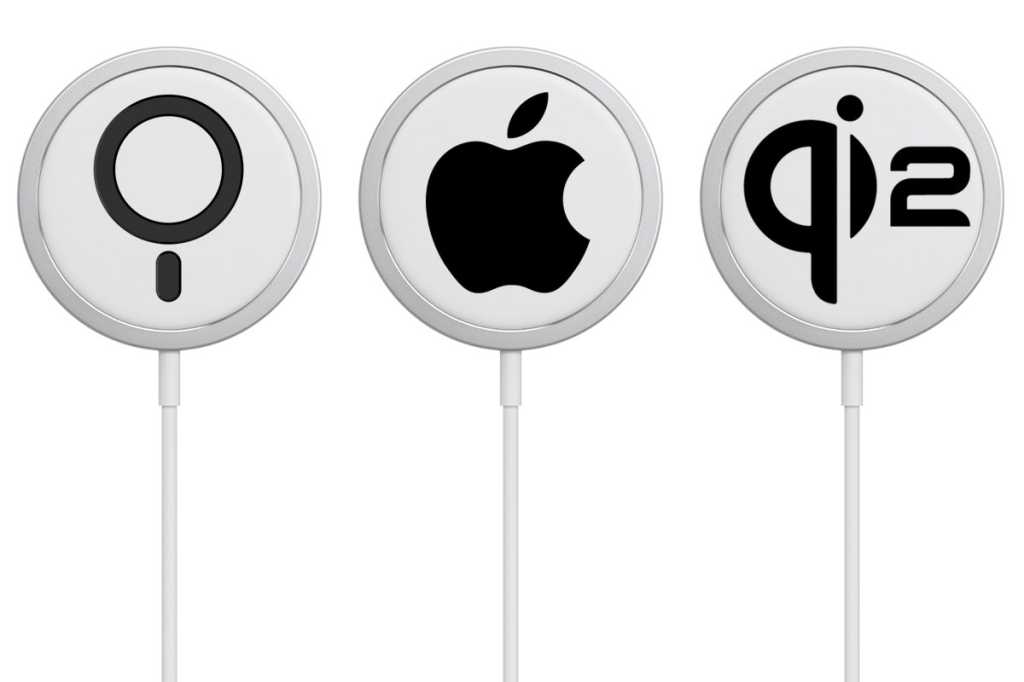
Abstract created by Good Solutions AI
In abstract:
- Macworld compares iPhone wi-fi charging speeds throughout MagSafe, Qi2, and Qi2 25W requirements, explaining how magnetic alignment improves effectivity over commonplace Qi charging.
- Newer iPhone 16/17 fashions help as much as 25W wi-fi charging, whereas iPhone 13-15 are restricted to 15W, with plain Qi solely delivering 7.5W regardless of the usual’s 15W functionality.
- Apple’s collaboration with the Wi-fi Energy Consortium to base Qi2 on MagSafe know-how ought to scale back charger prices and standardize quick magnetic wi-fi charging throughout units.
Not having to seek out the precise cable or carry one round with you makes wi-fi charging a handy method of charging your cellular units—iPhone, Apple Watch, AirPods and lots of third-party devices.
There are a number of wi-fi charging requirements and applied sciences. Right here we are going to clarify the foremost ones—Qi, MagSafe, Qi2 and the most recent Qi2 25W. Realizing which is which is able to make it easier to to make your charging life extra environment friendly. Right here we take a look at Qi2 vs MagSafe and Qi2 25W vs Qi2 and Apple’s up to date 2024 model of MagSafe. Which is greatest to your mannequin of iPhone?
It’s a litle extra nuanced, however on the whole, iPhones 16 and 17 ought to now cost wirelessly at as much as 25W with supporting licensed Qi 2.2 chargers. Older iPhones are restricted to the 15W most in the event that they help licensed Apple MagSafe or Qi2. Chargers which are merely “MagSafe Appropriate” are normally restricted to 7.5W wi-fi charging. Be aware that the iPhone Air is restricted to 20W wi-fi, the 16e to 7.5W and 17e to 15W.
iPhone wi-fi charging speeds briefly:
- iPhone 8-11 collection and 16e: Qi 7.5W. 0-50% in round 90 minutes.
- iPhone 12-15 collection and 17e: MagSafe 15W and Qi2 15W. 0-50% in round 45 minutes.
- iPhone Air: 20W Qi2. 0-50% in round 40 minutes.
- iPhone 16 and 16 Professional: MagSafe 22W and Qi2.2 22W. 0-50% in round 35 minutes.
- iPhone 16 Plus, 16 Professional Max, 17, 17 Professional, 17 Professional Max: MagSafe 25W and Qi2.2 25W. 0-50% in round half-hour.
Don’t fear an excessive amount of concerning the distinction between 22W and 25W—the charging time distinction will likely be marginal given environmental situations equivalent to room temperature may even make an affect.
How does wi-fi charging work?
Wi-fi charging makes use of electromagnetic induction to energy your units. The charging pad and your cellphone each embody copper wire coils. Plug the pad into an influence supply and the charger’s coil generates a magnetic subject. Once you place your cellphone onto the charging pad, the cellphone’s coil converts that magnetic subject into an electrical present, thus charging the cellphone.
Apple pioneered improved magnetic connection between charger and cellphone with MagSafe, and it’s primarily the tighter magnetic match that drives quicker and quicker wi-fi charging.
What’s Qi2?
Qi2, supported by the iPhone 15, 16 and 17 households (besides 16e) at launch and the iPhone 13 and iPhone 14 as of iOS 17.2, accelerates wi-fi charging from 7.5W to 15W and makes chargers cheaper in addition to extra environment friendly. It is vitally like MagSafe, which is unsurprising as Apple allowed the Wi-fi Energy Consortium (WPC) to make use of MagSafe as the premise of Qi2.
Briefly, Qi2 brings the magnetic advantages of MagSafe, but additionally make third-party iPhone chargers quicker and probably cheaper. Producers usually tend to create new merchandise when the market is bigger (iPhone and Android) and prices ought to come down, too.
In September 2024, nevertheless, Apple introduced that the brand new model of its iPhone MagSafe Charger can wirelessly cost the iPhone 16 collection at 22-25W. Older iPhones can use this charger however at a 15W most as earlier than. Qi2 took its time catching up, however it has now: preserve studying.
We’ve got examined Qi2 chargers vs chargers licensed as MagSafe by Apple, and may verify that 15W Qi2 expenses supporting units at an equal pace to 15W MagSafe, and far quicker than merely MagSafe-compatible 7.5W chargers. Extra particulars of our wi-fi charging pace exams beneath.
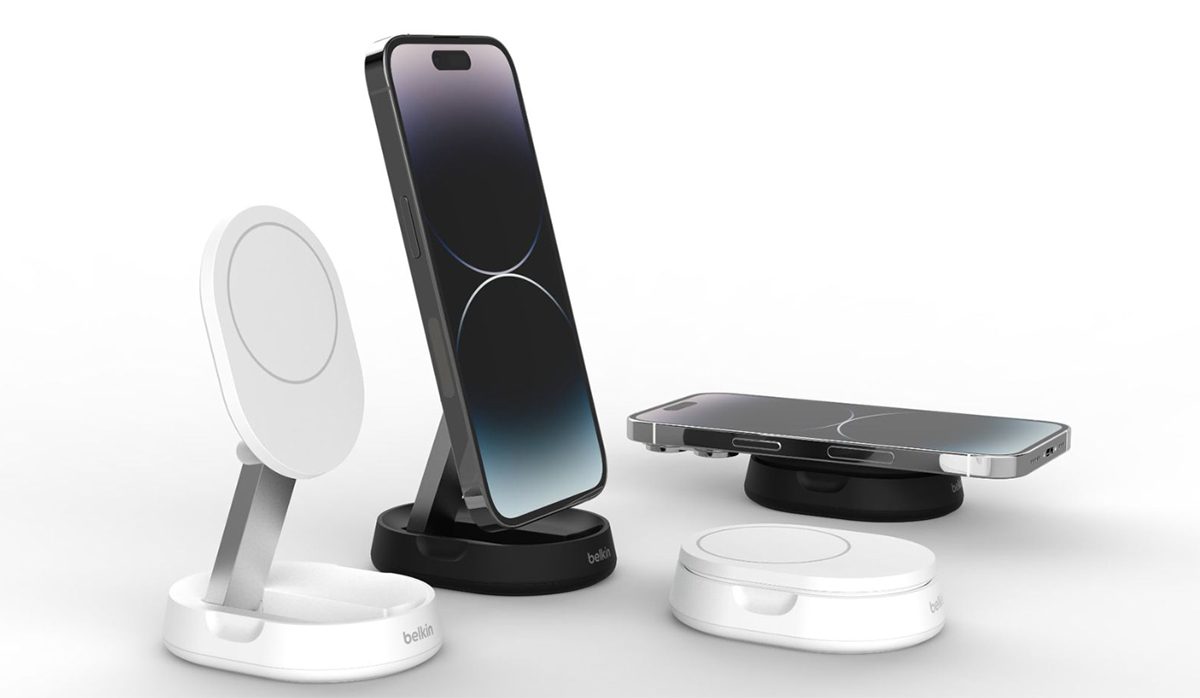
Belkin
What’s Qi2 25W?
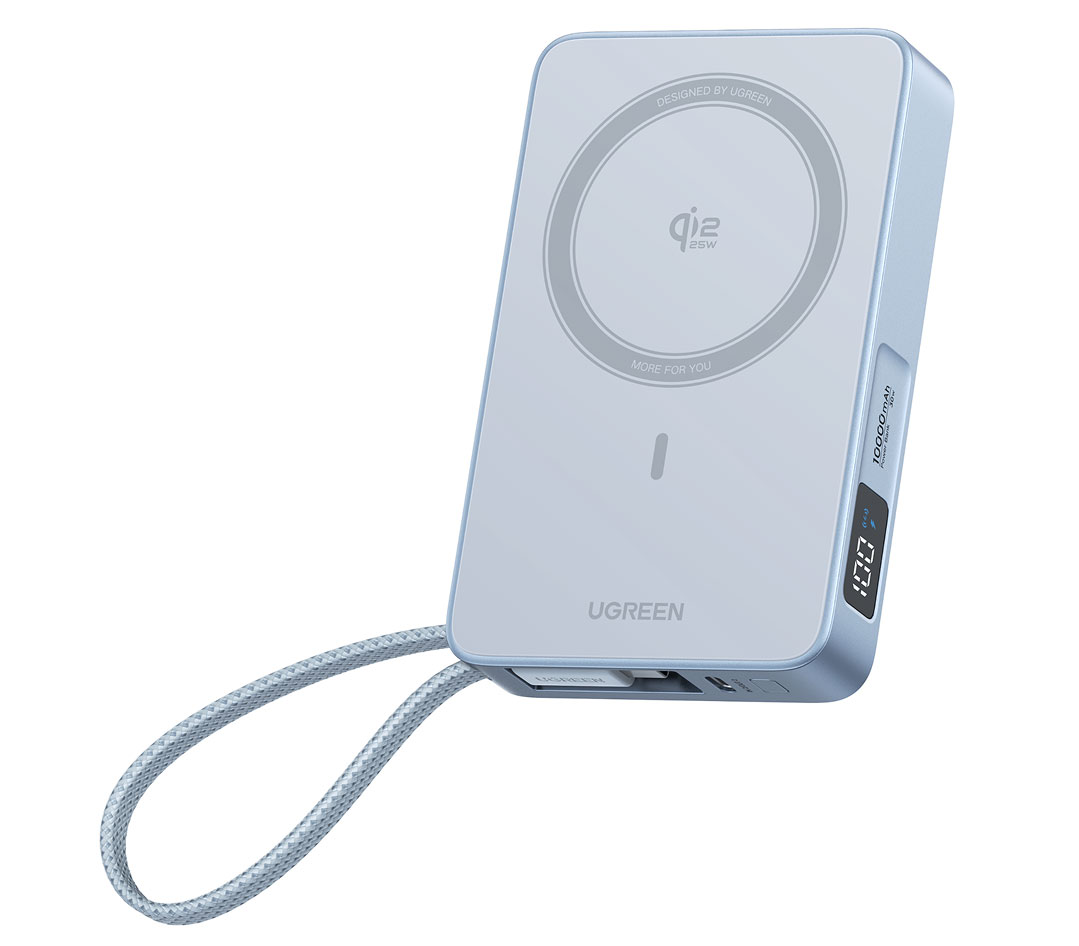
The newest Qi2 25W commonplace (formally Qi 2.2) matches Apple’s 25W wi-fi charging pace. We’ve got examined 25W chargers, together with the Belkin 25W UltraCharge Professional 3-in-1 Magnetic Charging Dock, Ugreen MagFlow Energy Financial institution, 25W Baseus PicoGo AM52 Energy Financial institution and ESR’s 25W CryoBoost 3-in-1 Charging Station amongst others.
Samsung waited till its Galaxy S26 Extremely to leap on the quick magnetic wi-fi charging bandwagon with Qi2 25W, and Google was first out of the Android blocks with Qi2 25W compatibility with its Pixel 10 Professional XL. The lesser Google Pixel 10 Professional is pegged again at 15W Qi2. Google calls its model of Qi2 “PixelSnap”.
Wi-fi charging from Qi to Qi2.2
First, let’s take a look at the unique Qi, which all iPhones put up iPhone 8 help.
Foundry
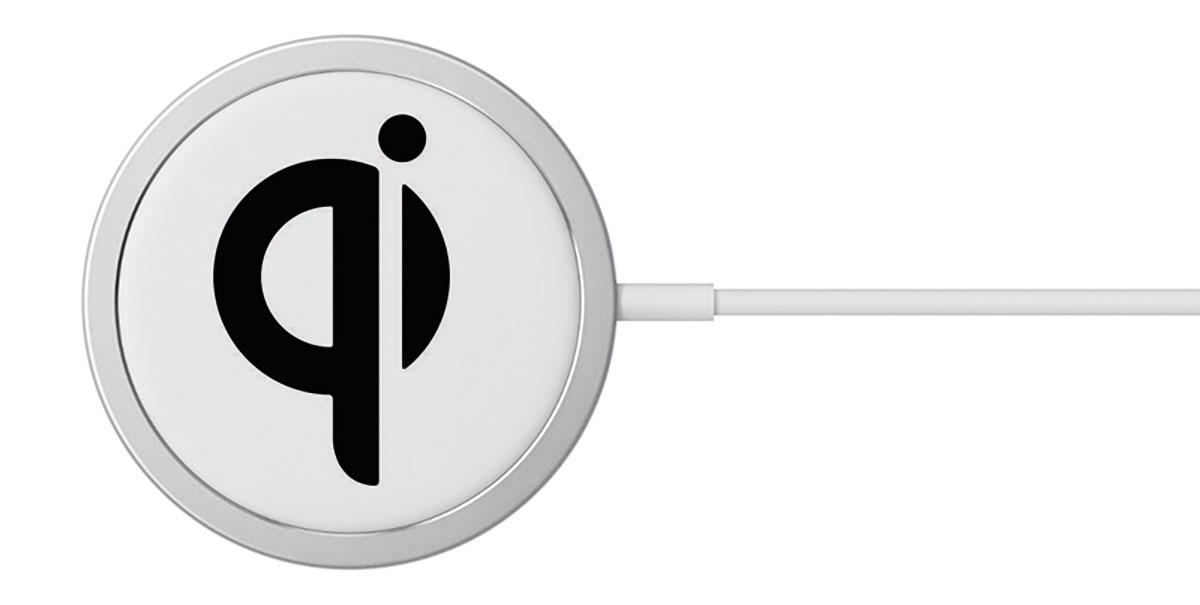
What’s Qi wi-fi charging?
Qi is a Chinese language phrase which means “vitality stream”. Pronounced “chee”, Qi is the essential and hottest wi-fi charging commonplace, launched in 2008 however not seen on an iPhone till 2017’s iPhone 8.
Be aware that plain Qi2 has little magnetic connection between cellphone and charger so is much less environment friendly at transferring energy as extra is wasted relying on the location of the cellphone on the charger. Higher magnetic attachment and due to this fact quicker charging arrived with MagSafe and Qi2.
Apple continues to help the Qi wi-fi charging commonplace with its most up-to-date iPhones—and the iPhone 13 and later fashions are appropriate with Qi2, extra on which later.
Because of this iPhones from the iPhone 8 onwards may be positioned on a Qi-compatible charger to start out charging and not using a cable. (In fact, the Qi charging pad or stand itself needs to be linked through a cable to an influence charger.)
Whereas wi-fi charging means much less put on and tear to your units, it isn’t as environment friendly as charging through a cable (wired charging) as a number of the vitality is misplaced between the charging pad and the system positioned on it.
Qi customers will know that you must guarantee your system is positioned in precisely the precise alignment for quick wi-fi charging to happen.
Place the iPhone on the pad incorrectly and you find yourself both charging rather more slowly or by no means.
Many people have dropped a cellphone on a Qi charger solely to seek out out later that it wasn’t in the precise place and so annoyingly by no means began charging—an issue largely solved by Apple’s MagSafe.
Whereas Qi’s most wi-fi cost is 15W, Apple’s iPhone helps solely 7.5W through Qi.
Which iPhones use Qi?
Qi charging is constructed into the iPhone 8, X, XR, XS, SE, 11, 12, 13, and 14 households. The iPhone 15/16/17 work with Qi however are rated as Qi2; see later. The outlier is the curious iPhone 16e that goes all the way in which again to plain outdated Qi.
Foundry
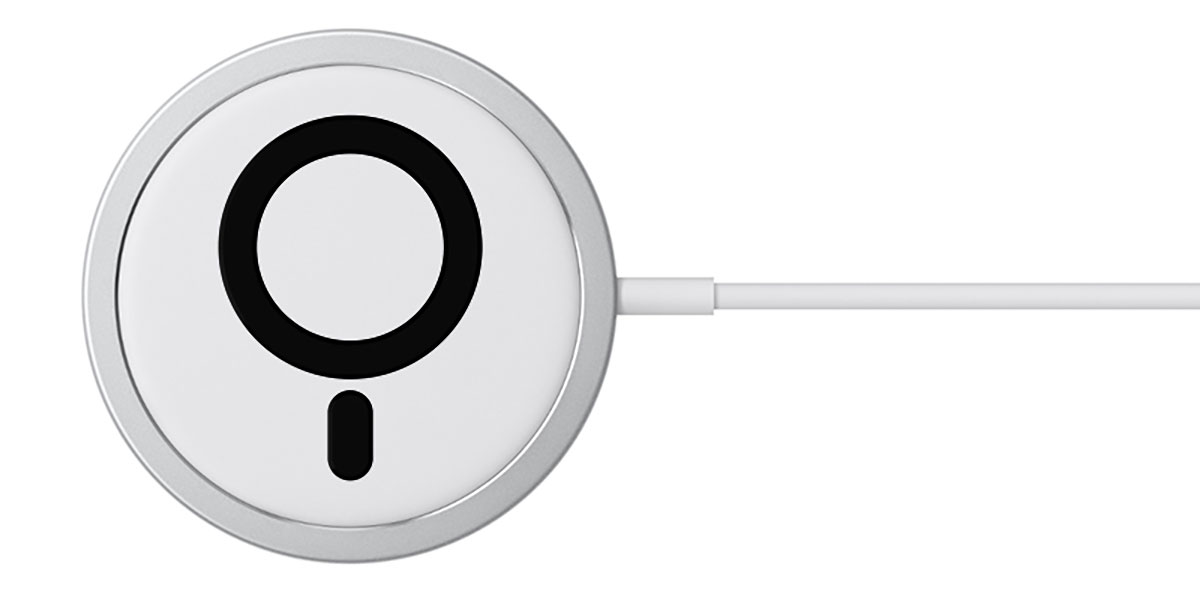
What’s MagSafe wi-fi charging?
Apple’s magnetic MagSafe iPhones include a hoop of magnets constructed round its Qi charging coil. Consequently, you’ll be able to magnetically clamp charging equipment onto the iPhone. In truth, you’ll be able to magnetically connect non-charging equipment, equivalent to wallets and mounts, too.
MagSafe—from 2020’s iPhone 12 on—makes lacking the charging pad’s coils a lot much less probably with its ring of magnets shortly discovering the charging alignment candy spot—on a appropriate charger—so you’ll all the time join and fewer vitality is wasted.
Magnetic Energy Profile (MPP) know-how makes use of magnets to completely align the coils of the wi-fi charging transmitter and receiver earlier than transferring energy.
iPhones can work with wi-fi chargers which are both MagSafe licensed by Apple (“made for MagSafe”) or are appropriate with MagSafe—plus much less refined Qi chargers.
Licensed MagSafe chargers can provide as much as 25W to the iPhone, whereas merely MagSafe appropriate chargers are restricted to 7.5W, however appropriate chargers are normally cheaper. That 25W charging pace is presently restricted to the iPhone 16 and 17 ranges and Apple’s personal MagSafe Charger. iPhones 12/13/14/15 max out at 15W utilizing MagSafe. The iPhone Air gained’t cost quicker than 20W wirelessly. In truth, the iPhone 16 and 16 Professional are pegged again at 22W, whereas the bigger 16 Plus and 16 Professional Max help the whereas 25W. The 16e is out of the image at simply 7.5W and the 17e makes it to 15W.
(Be aware that the iPhone 12 mini solely expenses at 12W with MagSafe.)
We’ve got examined the greatest MagSafe chargers for iPhones and the very best MagSafe energy banks for iPhones. This evaluations roundup now additionally consists of Qi2 chargers as they arrive to market.
Some thicker instances get in the way in which of MagSafe wi-fi charging so be certain that your iPhone’s case is MagSafe appropriate—see our roundup of the greatest iPhone 15 Circumstances, greatest iPhone 16 instances and greatest iPhone 17 instances.
Wi-fi charging is nice, however it’s not as quick as wired charging. For actually quick iPhone charging, use a cable linked to at the least a 20W USB-C charger. For the iPhone 15, 16 and 17 which means a USB-C to USB-C cable; for older iPhones you’ll want a USB-C to Lightning cable. A USB-A to Lightning cable gained’t supply iPhone quick charging. Click on right here for extra iPhone fast-charging suggestions.
Considerably confusingly, MagSafe can be the title for Apple’s wired-charging commonplace for its MacBooks—connecting the charging cable to the MacBook’s MagSafe port through magnets, that means it isn’t solely simple to attach however, if by chance disconnected, it pops out moderately than dragging your laptop computer to the ground. This model of MagSafe is magnetic and protected and has a charging connection for MacBooks however isn’t wi-fi. We clarify the distinction between MagSafe on Mac and MagSafe on iPhones in our Full information to Apple MagSafe: What’s MagSafe?
Which iPhones use MagSafe?
MagSafe wi-fi charging is constructed into the iPhone 12, 13, 14, 15, 16 and 17 households, excluding the 16e.
Foundry
What’s Qi2 wi-fi charging?
Qi2 (“chee too”) is the most recent model of the Qi “vitality stream” wi-fi charging commonplace.
Famed for its “Not Invented Right here” technique, Apple may be fairly valuable about adopting different technical requirements. It has a protracted historical past of rejecting any concept that didn’t originate inside Apple itself.
Nevertheless, fortunately Apple has cooperated with the creation of Qi2 to the extent that in impact it gave the Wi-fi Energy Consortium (WPC) MagSafe to make use of as the premise for Qi2’s Magnetic Energy Profile that defines how the brand new era Qi works. Apple is a WPC “steering member” and chair of the board of administrators.
So what’s Qi2 and why is it so nice?
Consider Qi2 as not simply MagSafe for Android, however MagSafe advantages for all appropriate wi-fi charging merchandise.
Qi2 will imply chargers gained’t must be licensed by Apple to help 15W charging. They need to, nevertheless, meet the technical calls for of the WPC. Briefly, a Qi2 charger will ship twice as quick charging as MagSafe-compatible chargers.
As MagSafe certification prices producers a payment to Apple, eradicating this could end in cheaper chargers that match Apple-certified chargers by way of pace.
Which iPhones use Qi2?
Qi2 wi-fi charging is constructed into the iPhone 15, 16 and 17 households (besides 16e). As of iOS 17.2, Apple introduced the know-how to all iPhone 13 and 14 fashions as nicely.
Whereas Apple hasn’t said that Qi2 help will attain the iPhone 12, the primary iPhone to help MagSafe, Macworld readers have contacted us to say that Qi2 does certainly work with the iPhone 12 following the discharge of iOS 17.4. Examined with the Belkin BoostCharge Professional 2-in-1 Magnetic Wi-fi Charging Pad with Qi2, an iPhone 12 charged as much as 15W with the on-screen animation additionally displayed.
Simon Jary / Foundry
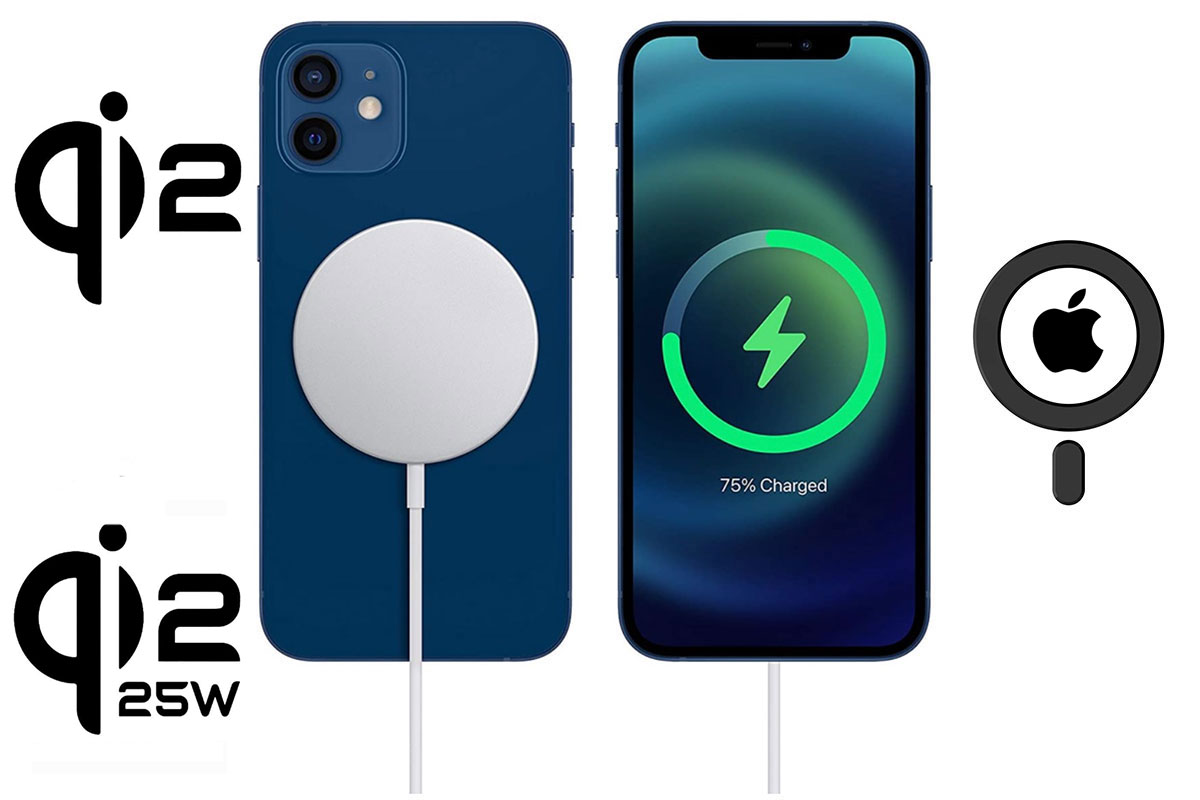
What’s Qi2 25W wi-fi charging?
Qi2 25W is the most recent model of the Qi “vitality stream” wi-fi charging commonplace.
It began rolling out in wi-fi charging merchandise from the mid-2025 and is now seen in lots of new wi-fi charging merchandise.
So what’s Qi2 25W and why is it so nice?
Qi2 25W means chargers can help as much as 25W wi-fi charging. They’ve to fulfill the technical calls for of the WPC. Briefly, a Qi2 25W charger will ship 10W extra energy than Qi2 and three.3 instances as quick charging as MagSafe-compatible chargers.
The usage of a Magnetic Energy Profile (MPP) supplies higher alignment but additionally reduces magnetic subject leakage attributable to misalignment. This minimizes the build-up of warmth and ensures optimum charging effectivity. A ±0.5mm magnetic alignment precision improves charging effectivity by “as much as 40%”, in line with producer Baseus.
Qi2 25W merchandise additionally characteristic next-generation thermal regulation with stricter 40°C floor limits and enhanced coil layouts. This ensures that much less vitality is wasted and supplies 15% higher charging effectivity—even in movement or with slight misalignment.
Which iPhones use Qi2 25W?
Qi2 25W wi-fi charging will work with the iPhone 16 household and later (besides the 16e and 17e). The iPhone Air helps Qi2 25W however solely as much as 20W, which is probably going attributable to the super-thin cellphone’s thermal administration. The iPhone 16 and 16 Professional could make it to solely 22W in line with Apple,
For Qi2 25W to work at full 25W supporting iPhones will need to have put in at the least iOS 26 or later.
Which is greatest MagSafe, Qi2 or Qi2 25W?
First, MagSafe, Qi2 and Qi2 25W are all higher than plain Qi. Owing largely to their magnetic connection, they’re extra environment friendly and positively supply quicker wi-fi charging than Qi.
For all extents and functions, Qi2 appears to be like fairly an identical to MagSafe so iPhone 13/14/15 customers can select between MagSafe or Qi2 with out worry. iPhone 16 and 17 house owners, nevertheless, ought to look to MagSafe or Qi2 25W, as Apple’s personal MagSafe Charger and shortly Qi2 25W chargers can attain charging speeds of as much as 25W when paired with the most recent vary of iPhones.
The truth that the iPhone 12 isn’t licensed as Qi2 appropriate demonstrates that Qi2 and MagSafe aren’t an identical.
All ought to clamp chargers magnetically to the iPhone in the identical method and permit for between 15W and 25W wi-fi charging.
Will Qi2 chargers work with MagSafe?
Though technically very related, Apple is more likely to nonetheless require MagSafe certification for non-Qi2 merchandise to achieve 15W wi-fi charging. Each the charger and the system have to be licensed for Qi2 for it to work at 15W, in the identical method as MagSafe. Nevertheless, it’s probably that future MagSafe-certified merchandise may even be licensed for Qi2, and put up iOS 17.2 all iPhones 13/14/15/16/17 will work natively with Qi2 chargers.
For shoppers it’s a win-win as Qi2 and Qi2 25W means quicker wi-fi charging will likely be delivered to extra units and folks. For product entrepreneurs it might be a little bit of a labelling nightmare till all of the chargeable units meet up with the know-how: count on MagSafe Appropriate (7.5W), MagSafe (15W or 25W), Qi2 15W (15W) and Qi2 25W (25W).
Is Qi2 as quick at wi-fi charging as MagSafe?
Because the Wi-fi Energy Consortium used Apple know-how to construct the Qi2 specification, it’s true that Qi2 matches MagSafe for pace. Each can cost at as much as 15W and use the largely identical magnetic attachment tech. Be aware the 25W charging potential of the Apple MagSafe Charger and iPhone 16/17, plus the identical charging pace from Qi2 25W.
The primary Qi2 charger we examined and reviewed at Macworld was the Anker MagGo 3-in-1 Wi-fi Charging Station. We examined its Qi2 wi-fi charging pace by charging an iPhone 15 Professional all the way in which to a 100% full cost, and taking timings at 30%, 50% and 80%. We did the identical utilizing a Apple’s personal MagSafe Charger and likewise through a straight wired USB-C connection.
The quickest strategy to cost an iPhone is through a wired connection: USB-C to Lightning for iPhones older than the iPhone 15, and USB-C to USB-C for the iPhone 15 and later. The common wired-charging time in our exams was 25 minutes to 50%, 55 minutes to 80% and 70 minutes to 100%.
Our wi-fi charging exams for formally Apple-certified MagSafe chargers (utilizing Apple’s personal Wi-fi Charger) and for Qi2 magnetic wi-fi charging (utilizing the Anker MagGo) had remarkably related timings. There was some variance both method but additionally small variations utilizing the identical charger so we’re assured that utilizing these two magentic wi-fi charging applied sciences got here up with the identical fundamental outcomes on common: 45 minutes to 50%, 90 minutes to 80% and 115 minutes to 100%.
In abstract, then, MagSafe and Qi2 charging at 15W ends in the identical instances and so may be thought of equal—aside from the 25W MagSafe potential of the iPhone 16/17–and the identical from Qi2 25W now it’s launched. And, once more as anticipated, merely MagSafe-compatible chargers took twice so long as the 15W chargers: 45 minutes to 30%, and 90 minutes to 50%.
Our exams demonstate that Qi2 25W will expenses an iPhone 16 Professional from 0–50% in simply over half-hour—producers usually declare 25 minutes however that’s below scientific situations. In Macworld’s real-world exams 32-34 minutes is the common. Compared, a Qi2 15W charger usually takes about 45 minutes to achieve the identical degree—this may work out because the 25W possibility being round 45% quicker than the 15W chargers. Wi-fi charging is determined by many components, equivalent to system settings, utilization throughout charging, and ambient temperature.
Don’t concern your self significantly concerning the 22W restrict of the iPhone 16 and 16 Professional. The three% distinction between that and 25W is marginal.
Why does cellphone charging pace decelerate because the battery will get fuller?
Batteries cost slower the fuller they get, particularly within the final 10–20% of charging. The fuller the battery is, the slower it absorbs vitality.
To start out with, a Lithium-Ion battery accepts no matter present it will possibly, however because the battery will get nearer to being full it accepts much less present, and so the facility being transferred tapers off.
Think about you had been filling up a glass with water. You can begin with the tap or faucet at full blast, however because the glass will get fuller, you must gradual the stream right down to keep away from the water spilling over, till finally only a trickle of water goes in as you attempt to get it proper as much as the brim.
If the battery didn’t cost this manner and as an alternative crammed up at full blast until reaching 100%, it might get very popular and also you’d danger damaging it to the purpose it’d explode!
Slowing down the cost when the battery is getting nearer to full additionally will increase the variety of cost cycles a battery can undergo earlier than it completely loses capability.
Making the most of this, if you’ll want to cost shortly, cease at 80%, use the system for some time after which high again as much as 80% earlier than the charging pace begins to gradual.
Ugreen

