


Abstract created by Sensible Solutions AI
In abstract:
- Macworld highlights Apple’s journey from costly PowerBooks costing over $2,000 to introducing the reasonably priced MacBook Neo at $599.
- This marks Apple’s first actually finances laptop computer after 18 years, contrasting Steve Jobs’s 2008 stance towards low-cost computer systems.
- Superior manufacturing capabilities and environment friendly Apple silicon chips allow this unprecedented low value level with out sacrificing efficiency.
In late 2008, Steve Jobs hopped on the corporate’s quarterly cellphone name with analysts and, besieged by questions on Apple being threatened by low-cost PC laptops known as “netbooks,” he defined how Apple approached its product choice.
“We don’t know find out how to make a $500 pc that’s not a chunk of junk,” he stated.
It took Apple almost 18 years to determine it out, however right here we’re. The announcement of the $599 MacBook Neo ($499 for training consumers!) is the low-cost laptop computer Mac customers have been questioning about for years. However there are many causes it took this lengthy.
Laptop computer goals
Within the early days of laptops, they had been flat-out costly. Apple’s PowerBooks had been nice, however you needed to pay a premium to get a conveyable Mac made out of miniaturized elements. And even then, the laptops had been typically slower than their desktop equivalents.
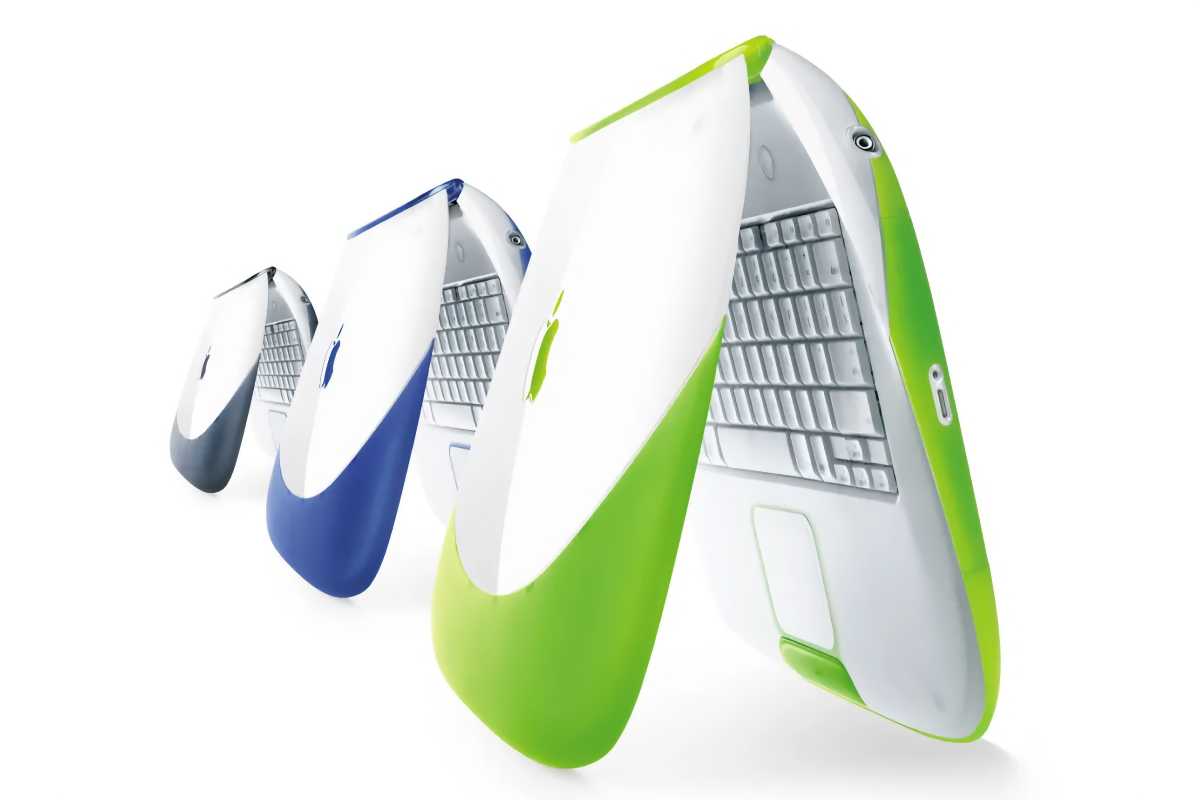
Apple’s first finances laptop computer was the iBook. It was $1,600.
Apple
As a graduate pupil in 1992, I purchased a PowerBook 160 to interchange my Mac SE. It value $2,400, equal to greater than $5,000 right this moment. I beloved that factor, and I did find yourself utilizing it for years in all types of locations, even writing tales whereas driving BART trains by way of the Bay Space.
The excessive value of Mac laptops meant that even lower-end fashions had been aimed extra at knowledgeable viewers, the equal of right this moment’s MacBook Execs. It was solely when Steve Jobs returned to Apple and drew his well-known four-quarter product grid that issues acquired actually attention-grabbing.
That grid separated the Mac into 4 product classes, divided by viewers (professional, client) and kind (desktop, laptop computer). The professional desktop was the Energy Mac. The buyer desktop was the iMac. The professional laptop computer was the PowerBook. So what was the patron laptop computer?? Jobs smiled and moved proper alongside together with his presentation.
Solely later, at Macworld Expo in 1999, did Jobs unveil his client laptop computer: the iBook. It value $1,600, which was higher than what I had paid for my PowerBook, no less than! The unique iBooks had been aggressive with shade–you could possibly get them in tangerine and blueberry, and later in indigo and key lime. They had been additionally massive, weirdly formed, and (in my view) utterly cute. I purchased one for my mother.
However when you have a look at it objectively, it’s laborious to not label the unique iBook a failure. Not solely did Apple exchange it with a way more conventionally-shaped iBook simply two years later, however it got here solely in white, ending the period of actually colourful Mac laptops endlessly. (Till now!) That iBook began at $1,299, a file low for a Mac laptop computer.
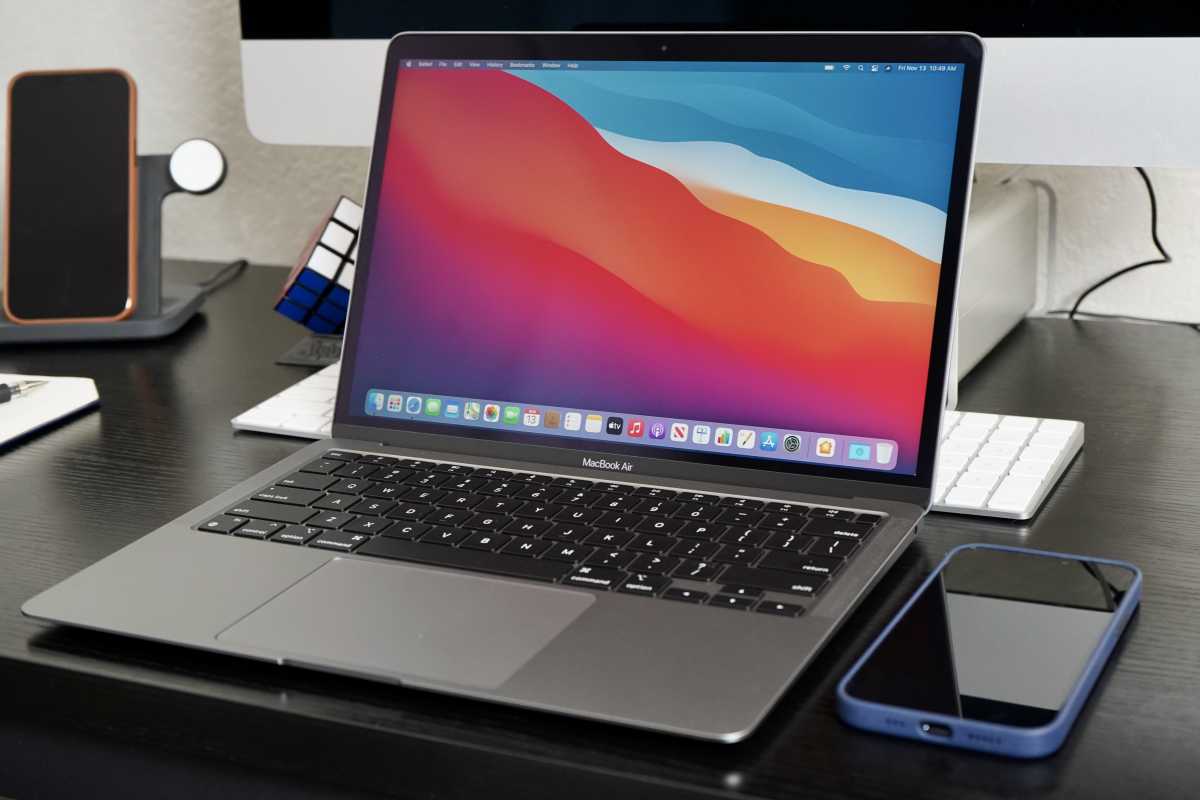
The MacBook Air was by no means actually low-cost, but it bought prefer it was.
Jason Cross/Foundry
With the Intel transition, the iBook turned the MacBook, and it was a perennial favourite of Mac customers, particularly college students. However within the 2010s, it pale away, changed in our hearts by the MacBook Air, which reworked from a dear ultraportable into the center of Apple’s reasonably priced laptop computer line.
After a shaky few years within the mid-2010s–Apple stopped updating the Air and launched a Retina MacBook that was overpriced and underpowered–the Air lastly acquired a Retina show and, just a few years later, went into overdrive with the discharge of the M1 MacBook Air.
Within the 2020s, the Air has settled into the candy spot in Apple’s product lineup. Beginning at $999 or $1,099 for a lot of the trendy period, it’s change into the top-selling Mac.
And but… whereas $999 is a far cry from what I paid for my first PowerBook, it’s additionally not that near the $500 laptop computer Jobs stated Apple couldn’t construct. Which left some room down there for one more laptop computer, if Apple might swing it.
The Neo period?
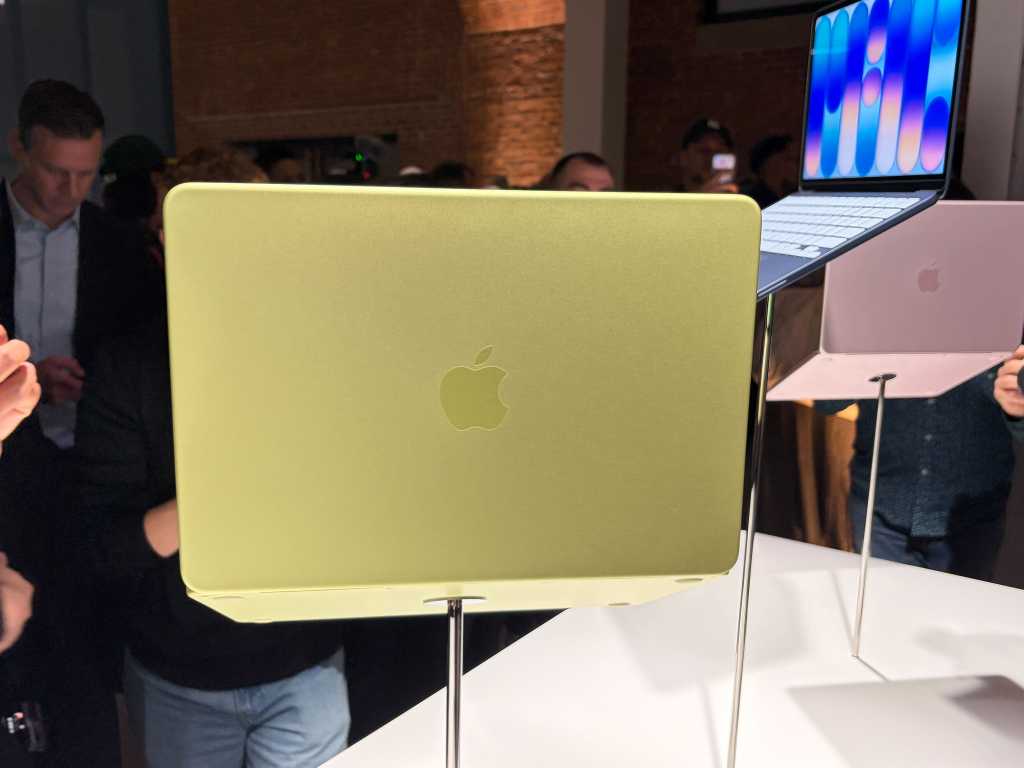
This brings us again to the MacBook Neo. It’s acquired colours not seen because the authentic iBook (together with one of many authentic colours, indigo), however its styling is pure 2020s Apple.
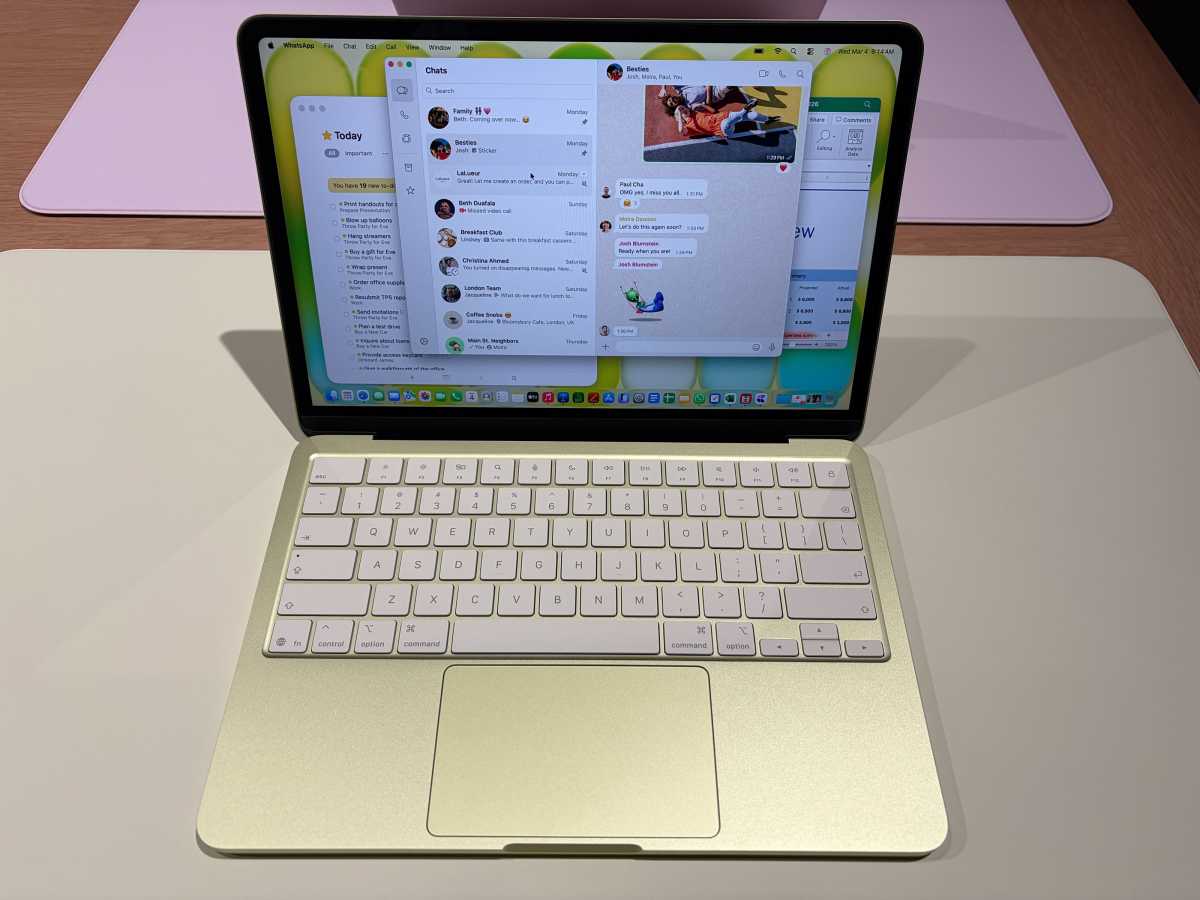
The MacBook Neo will remind longtime Mac customers of the iBook colours.
Michael Simon / Foundry
What has modified since 2008, when Jobs stated Apple couldn’t make a $500 laptop computer that wasn’t junk? A lot. However specifically, Apple has change into extremely environment friendly with its manufacturing methods, together with being maybe one of many corporations with probably the most data of find out how to form aluminum to its will.
For me, although, the ultimate catalyst is Apple silicon. One of many causes the unique MacBook Air and the mid-2010s Retina MacBook failed is as a result of they had been sorely underpowered. Apple’s chips had been designed to work in small transportable units like iPhones, and it turned out that they translated completely to the Mac.
As we speak’s iPhone chips are so succesful, they’re as quick because the M1 was just a few years in the past. And so Apple noticed a gap: there was room for a Mac laptop computer to exist, powered not by an M-series chip, however by a chip designed to energy an iPhone. That’s one of many causes the MacBook Neo can exist at a value no Mac laptop computer has come near earlier than.

