


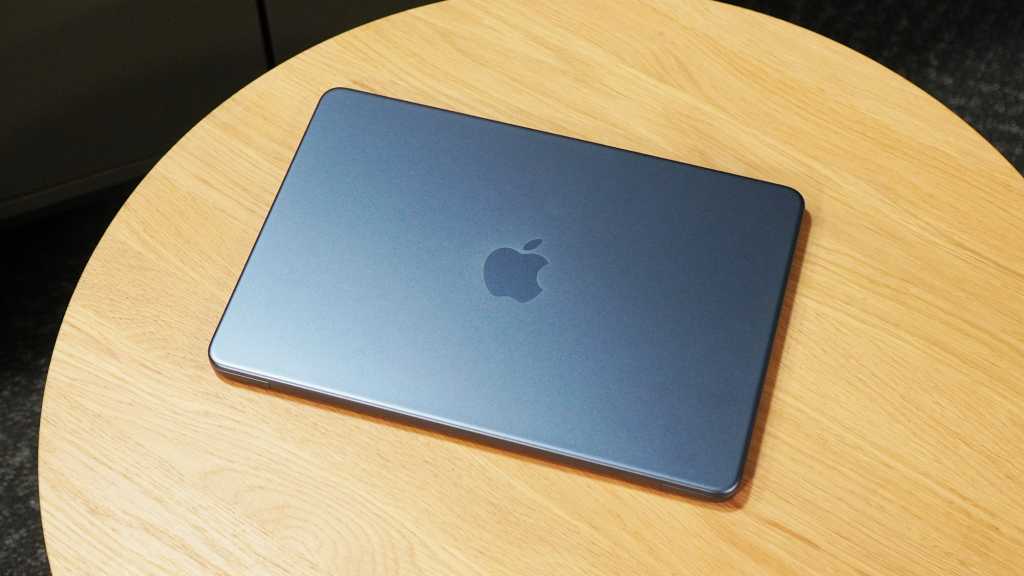
What a humorous coincidence that celebrations of Apple’s fiftieth anniversary would hit the identical month that the corporate launched the MacBook Neo, a $599 laptop computer that has the potential to take the Mac to new heights.
The info that Apple was based in 1976 and the MacBook Neo exists in 2026 shouldn’t have something in widespread however that they each contain a company known as Apple. However that’s not proper: Apple’s product philosophy is extra steady than you may think, and that string that begins with the Apple I ends, 50 years later, in a colourful new MacBook Neo.
Apple was born in a chaotic world. Dozens of non-public pc corporations had been constructing early units, and every of them was its personal island with its personal software program operating on customized {hardware}. New chips and new {hardware} improvements like floppy disk drives (do you know that the earliest Apple computer systems may solely learn information from audio cassettes?!) meant that as a pc firm, you developed quickly otherwise you died.
Most of them died, after all. However Apple didn’t, partly as a result of it was all the time adopting the following large factor with a view to survive. It was a mindset that I all the time hook up with Steve Jobs, a person with completely zero sentimentality. Apple has all the time been an organization that is aware of that it wants to maneuver ahead quickly to outlive.

Steve Jobs believed in all the time shifting ahead and never getting sentimental in regards to the previous. That philosophy has served Apple properly.
Apple
This has been an element that has remained within the company tradition, to various levels of power, for 50 years. It’s not that Apple doesn’t care about taking good care of its prospects–it’s managed three chip transitions and one working system transition on the Mac whereas offering strong assist over a transitional interval.
One motive this tradition obtained strengthened is that Apple has by no means been the dominant ecosystem participant in any promote it’s competed in. (The iPod was dominant, however probably not a lot of an ecosystem.) Once you’re dominant, like PCs pushed by Microsoft’s DOS and Home windows working programs, the secret is compatibility. When you’ve obtained the majority of the market, it’s all about consolidation.
Over time, stability and compatibility turned a serious motive why Microsoft was so profitable. Previous Home windows apps simply stored operating. Microsoft constructed a whole tradition about supporting its monumental base of consumers, lots of whom had been utilizing historic {hardware} and software program.
The issue with that technique is that it’s a very unhealthy match for instances of nice alternative. As former Microsoft govt Steven Sinofsky wrote just lately, Microsoft’s biggest power instantly turned its biggest weak spot. “The pull and push of eternally compatibility was not simply ‘Home windows DNA,’ but it surely was the soul of what made Home windows profitable and was sacred.”
Apple has the liberty to make game-changing strikes to make higher merchandise.
Apple
The humorous factor is that Sinofsky wrote that within the context of praising the MacBook Neo, of all issues. Right here’s why: Apple has continuously upgraded its working system and ecosystem, from drivers to APIs to apps to the chips that run them. It’s been in a position to drag its know-how ahead in methods Microsoft by no means may.
A part of that was embracing contact interfaces with the iPhone and iPad. It’s not that Microsoft didn’t have some nice concepts about contact interfaces–among the stuff it did was actually cool!–however that ultimately, its loyal prospects pulled it backward into the abyss. The primary touch-savvy model of Microsoft Workplace ran on the iPad. Microsoft’s personal touch-friendly units backslid to the outdated mouse-driven variations.
The crowning achievement of all this was Apple’s embrace of its personal, ARM-based chip structure. Once more, it’s not as if Microsoft and its chip companions didn’t see the power that an Apple-style chip technique might need. It’s that Microsoft’s prospects simply weren’t fascinated with shedding compatibility with their monumental funding in Intel PCs, and Microsoft’s dedication to “run every little thing eternally,” as Sinofsky calls it, hampered all makes an attempt to see issues in a different way.
Within the different nook: Apple, which for the final five-plus years has been delivery Macs operating ARM processors, on high of a model of macOS that spent the years operating as much as that transition by killing off compatbility with plenty of outdated software program that may’ve made that transition a problem.
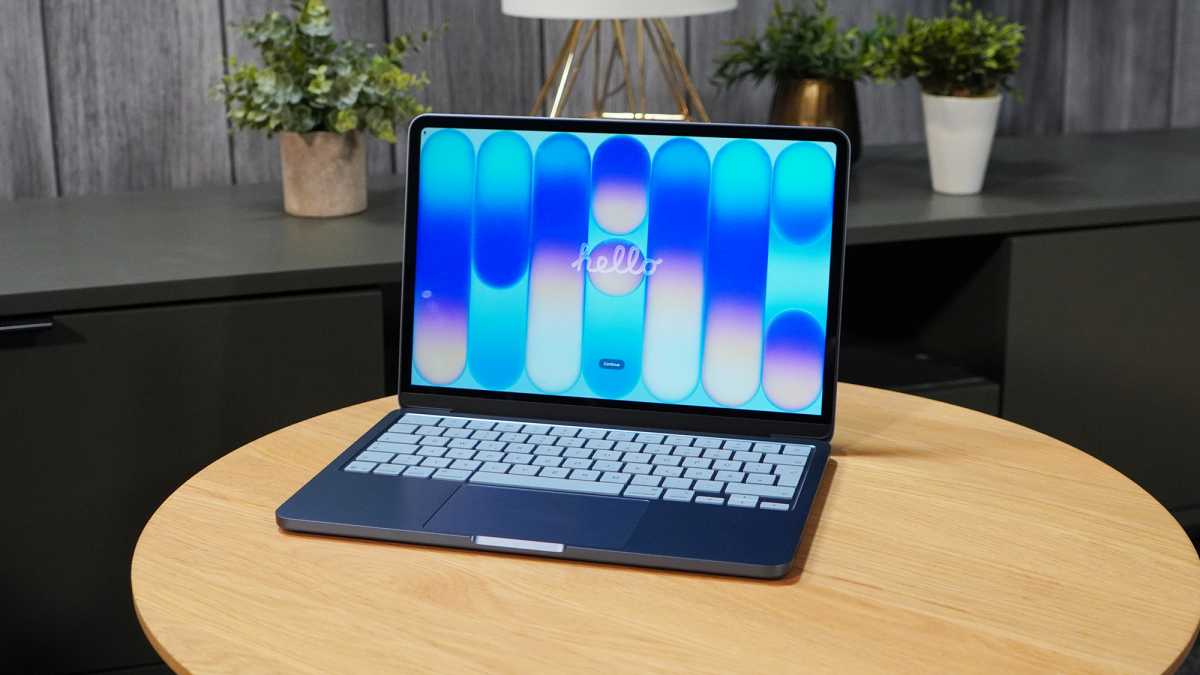
Apple’s capability to advance its know-how permits it to create a price range laptop computer that provides high quality that its rivals can’t match.
Eugen Wegmann
This brings us to the MacBook Neo. It’s the results of Apple being unafraid to interrupt compatibility with 32-bit apps, with the outdated Carbon APIs, with Intel processors, the works. A part of the magic is that, as Mac customers, we regularly don’t even discover when Apple does this, as a result of it’s gotten fairly good at making it simple for us emigrate. (Software program builders have had a tougher time, typically spending summers modifying their apps in order that they nonetheless work when the brand new OS variations ship within the fall.)
50 years on, that is nonetheless Apple’s core strategy: Don’t be afraid to alter. Don’t be afraid to go away some outdated issues behind. Not as a result of change isn’t painful, as a result of it typically is. However as a result of with out change, with out the power to maneuver ahead, you’ll by no means have the ability to make the most of new alternatives. And when you’re Apple, you’ll by no means have the ability to make a MacBook Neo.

